
 EN
EN
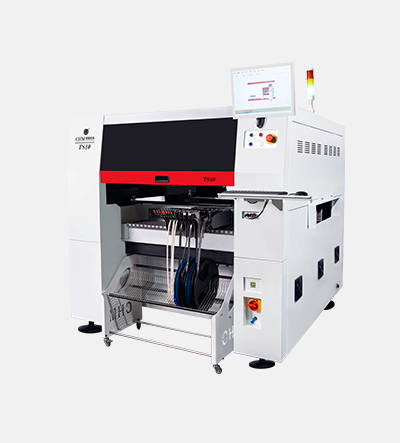
SMT chip mounter Placement Accuracy and Vision System Performance
Sub-Pixel Vision Alignment for Ultra-Fine-Pitch Components (008004, CSP)
Today's surface mount technology production lines depend heavily on sub-pixel vision systems for placing those ultra fine pitch components like 008004 packages and chip scale packages (CSPs) with incredible precision at the micron level. These high resolution cameras spot fiducial marks and adjust on the fly for any PCB warping or skew issues as they happen during manufacturing. The top tier machines can actually get placement accuracy down to plus or minus 25 micrometers on really good quality PCB boards. This kind of accuracy matters a lot because it stops problems like tombstoning and solder bridges from happening in densely packed circuit boards. Before placing components, smart built-in algorithms check if everything is oriented correctly and has proper polarity, which cuts down on rework needs by around 40% across most production floors. Getting this kind of control makes a real difference in first pass yields, particularly important when dealing with tricky parts like micro BGAs or tiny 01005 passive components where even small errors over 10 micrometers will often lead to complete failure of the assembled board.
Closed-Loop Feedback and Real-Time Correction for Consistent SMT Production Line Yield
The secret sauce for maintaining good yields over those long production runs? Closed loop feedback systems. These setups keep an eye on things like nozzle pressure, how high components sit, and where everything actually is while working. When something goes off track, they jump in right away to fix it. Take for instance when a tiny 0.3 mm QFN starts moving around after being picked up - the system catches this and rotates it back into place. Real world testing has shown that fixing errors as they happen cuts down misalignment problems by about 32 percent on boards that mix different technologies, say when we're putting together both 0201 resistors and larger 2 mm QFP parts. With regular calibration happening ahead of time, manufacturers can hit yield rates consistently above 99.4% even when running nonstop day and night. This means fewer unexpected shutdowns and saves money that would otherwise be lost from defective products.
Component Compatibility Across Modern SMT Production Line Demands
Support for Miniaturized Packages (01005, 008004) and Heterogeneous Odd-Form Components
Modern chip mounting equipment needs to work with those incredibly small passive components, such as the 01005 (about 0.4 by 0.2 mm) and even smaller 008004 packages, plus all sorts of oddly shaped parts too. The best machines on the market do this thanks to their adaptive feeding systems and super accurate nozzles designed to handle everything from just 0.25 mm up to full size 50 mm components. This kind of versatility is really important when building IoT devices where manufacturers often need to place dozens of these tiny passives right next to much larger connectors in the same assembly line run. No need to stop production for manual adjustments either. According to industry standards like IPC-7351, most manufacturers now aim for tolerances tighter than plus or minus 0.025 mm for these miniature parts. Getting this right prevents those annoying reliability issues caused by components not sitting straight on the board.
Reliable Handling of High-Density Layouts with Fine-Pitch QFNs and BGAs
Fine pitch QFN placements and those high pin count BGA packages with over 200 connections really require something special from the equipment side. The best systems out there run these sub micron calibration checks constantly so they can keep everything aligned even when boards warp a bit, surfaces reflect light differently, or temperatures cause parts to shift around. Manufacturers have started implementing dual lane conveyor setups along with smart nozzle routing algorithms that basically prevent component collisions on these super packed PCBs with more than 200 parts per square inch. Looking at actual factory floor numbers, machines that hit under 12 microns of repeatable accuracy cut down on placement mistakes by about two thirds compared to older generation equipment. This kind of precision makes all the difference for industries like automotive manufacturing, medical device production, and aerospace engineering where getting even one defective unit through quality control just won't fly.
Throughput vs. Precision: Balancing CPH and Placement Quality in Real SMT Production Line Environments
CPH—Accuracy Trade-Offs in Mixed-Component Runs (e.g., 0201 + 2mm QFP)
Getting the right balance between cycles per hour (CPH) and component placement quality presents real challenges when working with mixed component assemblies. Small fine pitch parts such as 0201 passive components need slower feed rates and careful handling to maintain around plus or minus 25 microns accuracy. The bigger 2mm QFP packages can handle faster speeds generally speaking, though they still run into problems with tombstoning issues if the vacuum settings or placement forces aren't just right. When production lines push past about 75% of maximum CPH capacity, placement errors tend to jump anywhere from 15 to 30 microns for these tiny components which directly impacts overall yield rates. Most manufacturers find that staying within the 65 to 75% range of peak CPH works best, keeping defects below half a percent while still getting decent output volumes. Some important factors that help achieve this include:
- Adaptive motion control that modulates speed and force per component type
- Real-time vision correction synchronized with high-speed motion profiles
- Active thermal stabilization to suppress mechanical drift
Systems with closed-loop feedback reduce speed-induced errors by ~40%, allowing near-peak throughput without compromising the precision required for IoT, medical, or safety-critical electronics.
Ecosystem Integration and Operational Sustainability for SMT Production Line Longevity
OEM Compatibility, Local Support, and Firmware Upgrade Pathways (Including Hunan Charmhigh and Tier-2 Partners)
Keeping SMT production lines sustainable over the long haul depends heavily on how well everything fits together in the bigger picture—not just making sure different hardware works together, but also building good relationships with vendors. When equipment works across multiple OEMs, it stops companies from getting stuck with one supplier and makes integration much smoother with current MES, SPI, and AOI systems already in place. Good local tech support matters too. The best setups have service agreements that promise someone will be there within four hours when things go wrong, cutting down repair times and keeping operations running. Regular firmware updates that follow industry standards like IPC-CFX while fixing security holes are absolutely necessary if plants want to stay ahead of technological changes. Looking at actual partnerships with companies such as Hunan Charmhigh and other reliable Tier-2 suppliers gives manufacturers confidence during transitions between technologies. All these factors combined can stretch equipment life expectancy by around 15 to 20 percent, slash overall costs, and cut down on electronic waste since parts can be upgraded individually instead of replacing entire systems every time.
FAQ
What is sub-pixel vision system in SMT production?
Sub-pixel vision systems are utilized in SMT production lines to achieve high precision placement of ultra-fine-pitch components, using high-resolution cameras to detect fiducial marks and compensate for PCB warping.
Why are closed-loop feedback systems important in SMT production?
Closed-loop feedback systems are crucial as they monitor and correct component placement issues in real-time, maintaining high yields and minimizing defects throughout the production line.
How do modern SMT machines handle miniaturized components?
Modern SMT machines feature adaptive feeding systems and precise nozzles, allowing them to accommodate miniaturized packages such as 01005 and heterogeneous components without manual adjustments.
What are the benefits of OEM compatibility in SMT production lines?
OEM compatibility in SMT equipment enhances operational flexibility, supports integration with existing systems, reduces dependency on specific suppliers, and ensures continuous technical support and firmware updates.
Table of Contents
- SMT chip mounter Placement Accuracy and Vision System Performance
- Component Compatibility Across Modern SMT Production Line Demands
- Throughput vs. Precision: Balancing CPH and Placement Quality in Real SMT Production Line Environments
- Ecosystem Integration and Operational Sustainability for SMT Production Line Longevity
- FAQ