
 EN
EN
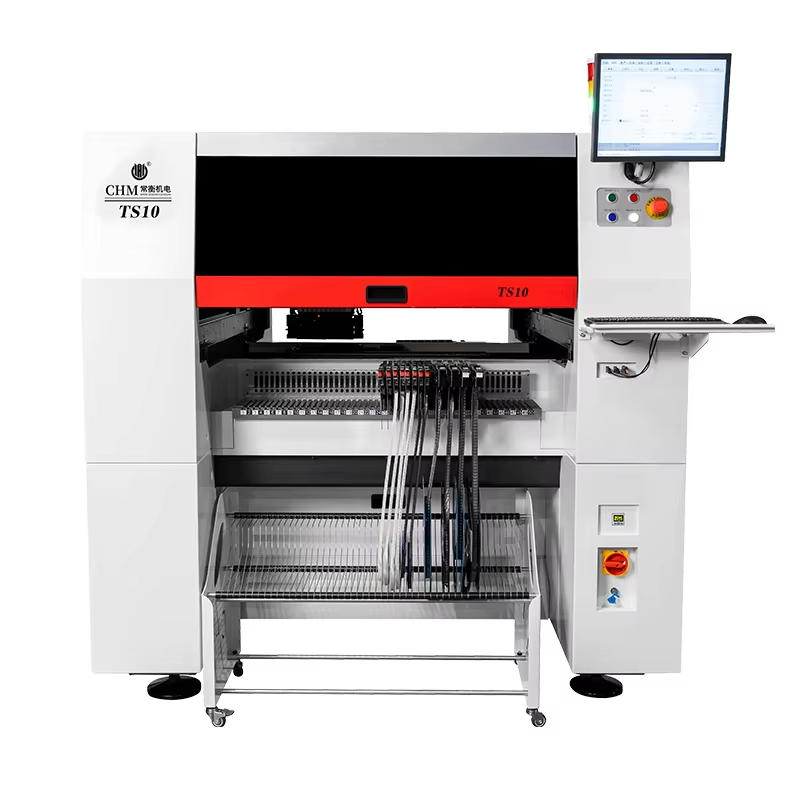
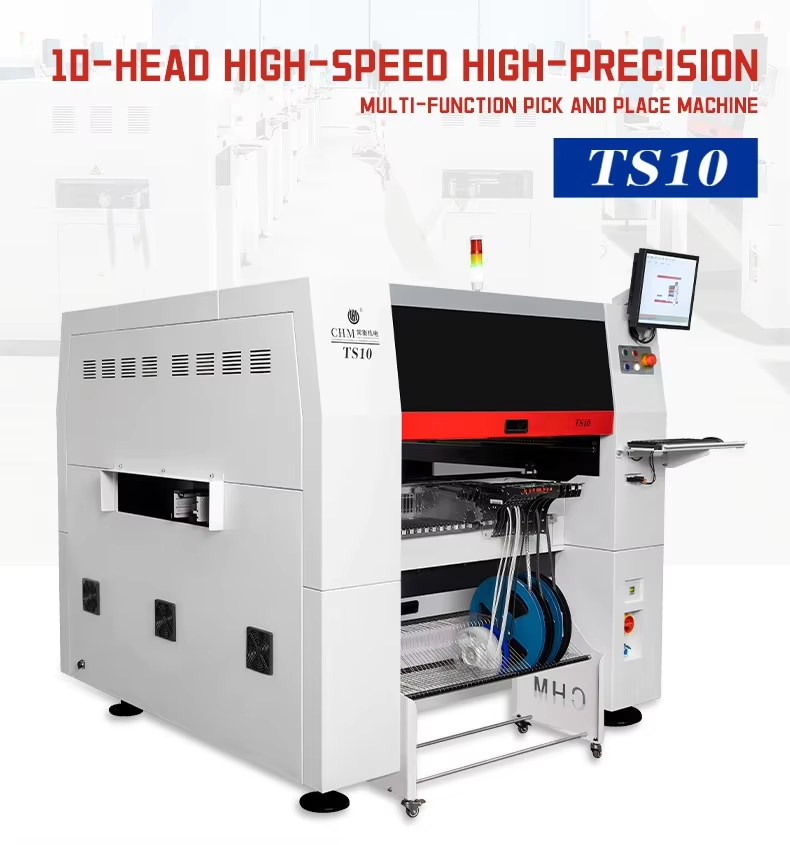
How accurately components get placed remains one of the most important factors when evaluating surface mount technology (SMT) pick and place machines. Even tiny misalignments around 50 microns can lead to serious problems in complex printed circuit board designs. When looking at what goes wrong, vision systems typically spot three main issues. First there's angular skew where parts rotate about plus or minus 3 degrees because the nozzles aren't holding them properly. Then we see X/Y position shifts over 25 microns happening mainly when the machine's positioning system starts drifting. And finally, variations in Z axis pressure often result in those pesky tombstone defects particularly noticeable with tiny 0402 sized components. Looking deeper into why these problems occur, worn out nozzles account for almost 4 out of every 10 incidents. Improper feeding mechanisms contribute nearly 30%, while vibrations stronger than 2.5 Gs which break IPC-9850 guidelines make up the rest of the trouble spots.
Identifying causes of placement errors and component skewing
Errors in component placement usually come down to problems with machinery and how things are operated. The nozzles tend to wear out or get deformed, which probably explains around 40% of all accuracy problems we see on the production floor. These worn nozzles really mess with grip stability when running at high speeds. Calibration mistakes build up gradually too because machines just don't stay perfectly set forever. Temperature shifts and regular mechanical stress cause tiny drifts in position that add up over time. Then there's the feeder mechanisms. When gears start showing damage or springs lose their tension, components simply won't line up properly even before they get placed. And let's not forget about vibration either. Too much shaking throughout the system makes all these small issues worse, leading to components ending up off track or completely misplaced on the board.
Calibration techniques for optimal SMT pick and place machine accuracy
Keeping machines properly calibrated remains key to getting the most out of them over time. When it comes to laser calibration of nozzle heights, what we're really looking at is maintaining consistent pressure along the Z-axis. This matters a lot when working with small parts because otherwise those tiny components can end up tombstoned during assembly. For vision systems, calibration involves standard fiducial markers that help fix positioning issues in both X and Y directions, typically within about 10 microns of accuracy. The real magic happens with dynamic compensation software that accounts for how materials expand and contract as temperatures change throughout long production cycles. These automatic calibration checks run between batches not only cut down on mistakes made by operators but also keep things accurate day after day without slowing down the whole manufacturing process significantly.
Maintenance protocols to sustain long-term placement precision
Keeping things accurate over time means regular maintenance that covers both prevention and fixing problems when they arise. Most manufacturers recommend checking nozzles and replacing them around every 50 thousand placements in precision work, though this can vary depending on actual usage conditions. Monthly inspections should include looking at belt tension, making sure rails are properly aligned, and checking how feeders engage with components to stop small issues from becoming bigger ones. Environmental stability matters too. Try to keep temperatures within about 2 degrees Celsius and humidity between 40 to 60 percent relative humidity levels. This helps avoid those annoying calibration shifts that happen slowly over time. And don't forget to record everything done during these maintenance sessions. Good documentation lets technicians spot patterns in wear and tear early enough to replace parts before they actually fail, saving downtime and repair costs down the road.
Overcoming Fiducial Recognition and Vision System Failures
Root causes of inaccurate fiducial detection in SMT operations
Most fiducial recognition issues come down to three main culprits lighting inconsistencies, drifting camera calibration, and variations between printed circuit boards. Old or flickering lights create shadows and glare that simply wash out those tiny reference marks. We've all seen it happen cameras slowly lose their perfect alignment over months of operation, making those once reliable markers harder to spot. Then there are the board itself problems warped surfaces, solder masks applied too thick in some spots, thin in others, plus dust and residue buildup that just gets in the way of proper identification. According to recent industry data from the 2024 Assembly Technology Report, these kinds of visual system challenges account for roughly one third of all SMT component placement mistakes on production lines today.
Optimizing lighting and camera systems for reliable recognition
Good lighting makes all the difference when it comes to reducing those pesky shadows and reflections while keeping everything evenly lit throughout the workspace. Most successful setups use several adjustable lights so they can handle different materials and parts at various heights without issue. Regular camera checks are essential too, especially when working with certified calibration targets. Focus settings, exposure levels, and fixing any distortion should be part of routine maintenance. Some plants have taken automation a step further by building these calibration routines right into their maintenance schedules. The best performing facilities hit around 99.8% recognition rates by combining ring lights with coaxial illumination systems for shiny surfaces. These top performers typically schedule another round of recalibration after about 200 hours of production time to keep things running smoothly.
Addressing board warping and surface reflectivity challenges
When circuit boards warp, they create all sorts of issues with focal planes, resulting in partial blurring that makes it hard for vision systems to read what's going on properly. To fix this problem, many setups now use multi-plane focusing techniques combined with height mapping routines that automatically adjust focus across those warped sections, bringing back much needed clarity. Dealing with shiny surfaces presents another challenge altogether. The trick here is to employ polarized filters along with lighting at lower angles to cut down on annoying glare while actually improving image contrast. Some advanced 3D vision systems go even further by capturing detailed topographical information, allowing them to tell real markers apart from just reflections bouncing off the surface. According to recent tests published last year, these approaches have boosted recognition reliability by around 45% when working with tricky materials.
Troubleshooting Component Pick-Up and Release Failures
Vacuum nozzle malfunctions: blockage, wear, and deformation
When it comes to pick-up failures, vacuum nozzle problems tend to be right at the top of the list. The main culprits? Blockages caused by old solder paste, accumulated dust, or sticky adhesive leftovers that just keep building up inside. These blockages mess with the suction power. And let's not forget about wear and tear either. As nozzles get older they start to deform slightly, creating vacuum leaks and making it hard to get a good seal on components during assembly. Regular checks for cracks or other visible damage are a must. Also important is checking suction strength with a proper gauge tool. Cleaning should happen regularly too, using solvents specifically designed for this purpose. Looking at industry numbers, around 45% of those frustrating pick-and-place errors on automated production lines actually trace back to issues with the nozzles themselves.
Insufficient vacuum pressure and its impact on component pickup
When vacuum pressure drops below required levels, components just won't stick properly, leading to all sorts of problems like missed grabs or parts falling off during movement across the production line. Most often we find issues with air leaks in the tubing, dirty filters that need cleaning, or pumps that have simply worn out over time. Always check if the system is hitting those spec numbers from the manufacturer, usually around 50 to 70 kilopascals for regular components, and do this with proper measuring tools not just guesswork. Factory floor reports show that keeping vacuum systems well maintained cuts down on these grab failures by about half, which makes a huge difference in overall productivity rates when everything runs smoothly without constant stoppages for dropped parts.
Feeder-related issues: gear damage, spring fatigue, and foreign debris
The way parts get fed into machines really matters for keeping production steady. When gears start showing wear from too much time on the job or aren't lined up right, everything gets out of sync and parts don't advance when they should. Springs that have gone through countless cycles just lose their strength over time, which means parts sit in weird positions instead of where they need to be. Stuff gets stuck in the system all the time too tape bits, little broken pieces, even dust buildup can block the path and mess up how parts pick up properly. Maintenance crews need to clean those tracks regularly, check gears for signs of trouble, and swap out springs before they fail completely. These simple steps keep the feeding process accurate and boost that Overall Equipment Effectiveness number manufacturers care so much about.
Preventing Solder Defects Through Improved SMT Placement
How placement inaccuracies lead to tombstoning and solder bridging
The accuracy of component placement has a major effect on how well solder joints hold together. Studies show around 38% of those annoying tombstone defects happen when placement errors go beyond plus or minus 0.1 mm. When parts aren't perfectly aligned, the solder paste spreads unevenly across the board. This creates different wetting forces that literally pull one side of the component upwards during heating. If components drift sideways towards neighboring pads, there's a much higher chance we'll get unwanted solder bridges forming when everything melts during reflow. Fortunately, today's advanced equipment helps combat these problems through laser correction systems that can place components within about 25 microns accuracy. These improvements have definitely cut down on production line defects, though getting full benefits still requires proper setup and maintenance of the machinery.
Optimizing placement parameters to reduce solder defects
Getting the right balance between speed and accuracy helps cut down on those pesky solder defects. When working with nozzles, it's generally wise to keep their descent speed under 20 mm/s so they don't bounce around too much. Placement pressure should stay somewhere between 1.0 and 2.5 Newtons to make sure we aren't pushing the solder paste out of place. For production lines, syncing up the stencil printers with the placement machines through some kind of tracking system keeps things moving without getting stuck in long cycles. If parts sit too long after printing, usually anything over an hour starts to raise the chances of tombstoning problems by about 40%. And when dealing with smaller components specifically, sticking to roughly half pad coverage seems to work best for balancing those tricky wetting forces while making tombstones less likely to form.
Case Study: Reducing tombstoning by 68% through machine tuning
According to a study conducted recently, adjusting machines systematically managed to cut down tombstoning issues by around 68% specifically for those tiny 01005 and 0201 component packages. What worked? They fine-tuned the vision systems so they could spot alignment markers within plus or minus 15 micrometers, set the nozzle pressure at exactly 1.2 Newtons, and added this real time temperature adjustment feature. The team also extended how long parts stayed in the preheating area to about 90 seconds and kept temperatures between 150 and 170 degrees Celsius during soaking, which helped everything melt evenly before the actual soldering happened. Beyond fixing those annoying tombstone problems, these changes surprisingly reduced solder bridge occurrences too, cutting them back by nearly half during the same batch production.
Ensuring Component Integrity and Preventing Material Damage
Common causes of component damage during pick and place
When components get damaged during surface mount technology operations, it really impacts both production yields and how reliable products remain over time. The main culprits behind this problem are things like too much pressure from the nozzles, not handling parts properly, and getting the orientation wrong when placing them. Those high force nozzles tend to crack delicate component packages or mess up their termination points. And let's face it, mishandling creates serious electrostatic discharge risks that can fry sensitive semiconductor chips right there on the line. Then there's the issue of components being placed at odd angles which puts mechanical stress on everything. This stress can actually cause fractures in internal bonds or even break apart whole package structures down the road.
ESD-safe handling and optimized nozzle pressure settings
Protecting those sensitive components from ESD damage really comes down to following some basic safety practices. Grounded workstations should be standard equipment, along with conductive mats spread across work areas and proper antistatic packaging for storage and transport. When it comes to setting up the nozzles, there's actually quite a bit of nuance involved. Lighter components definitely need less vacuum power otherwise they get crushed under the suction. Heavier parts tell a different story though they demand enough force to grab them securely without slipping during handling. Maintenance folks should check those pressure sensors at least once a month to make sure readings stay accurate. And don't forget to look closely at the nozzles themselves every now and then. Even small signs of wear or朄莂 can mess up the whole operation, leading to all sorts of headaches down the line.
Avoiding damage from incorrect pickup or placement height
Getting the pickup or placement height wrong remains one of the top causes of material damage in production lines. When pickup heights are set too low, the nozzles end up pressing components directly into feeders or tape systems, which can bend delicate parts out of shape. On the flip side, setting these heights too high results in failed pickups that force machines to try again and again, creating extra wear and tear on sensitive components over time. For placement operations, finding the right balance matters a lot – components need to touch the solder paste surface gently but firmly enough to stick properly without getting jammed into the PCB itself. Modern equipment often comes with laser based height sensing systems along with automatic calibration features. These technologies help maintain consistent settings even when dealing with different component sizes and shapes, something that becomes increasingly important as manufacturing tolerances continue tightening across industries.
FAQ Section
What are the main causes of component placement errors?
Component placement errors often result from worn out nozzles, improper feeder mechanisms, and excessive system vibrations.
How can machine calibration improve SMT pick and place accuracy?
Proper calibration ensures consistent Z-axis pressure, fixes positioning issues with fiducial markers, and employs dynamic compensation software for temperature changes.
What role does lighting play in fiducial recognition?
Good lighting helps reduce shadows and glare, ensuring fiducial markers are clearly visible for accurate component placement.
How can solder defects be reduced in SMT operations?
Optimizing placement speed, pressure, synchronization between stencil printers and placement machines, and maintaining proper pad coverage can reduce solder defects.
Why is ESD-safe handling important for component integrity?
ESD-safe handling protects sensitive components from electrostatic discharge, preventing damage and ensuring product reliability.