
 EN
EN
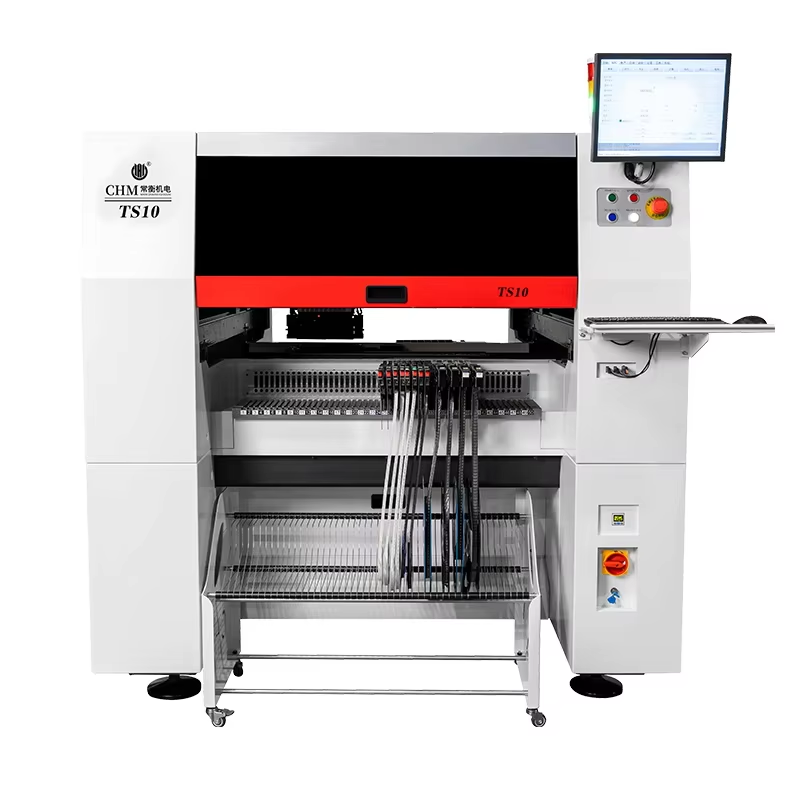
Understanding SMT Pick and Place Machines in Modern Electronics Manufacturing
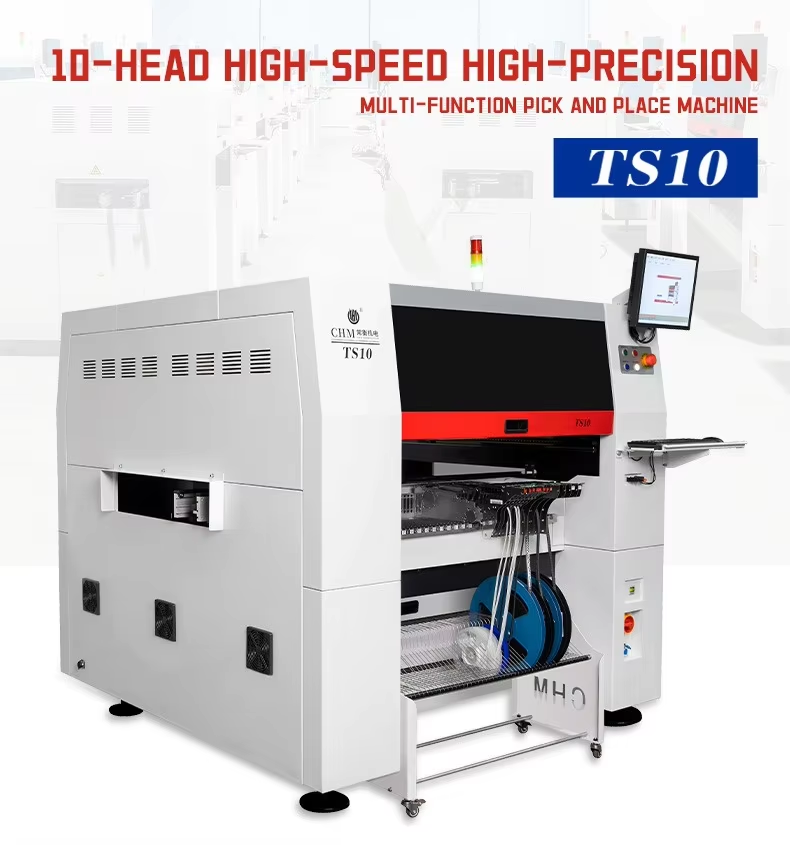
The evolution of surface-mount technology (SMT) and automation
Surface mount tech, or SMT for short, changed the game in electronics manufacturing when it let engineers attach components straight onto PCB surfaces without needing all those pesky drilled holes that through-hole tech required. The benefits were pretty obvious right away. Boards could pack more parts into the same space, factories assembled products much quicker, and signals traveled shorter distances which meant better performance overall. Over time, what started with people placing components by hand gradually moved toward machines doing most of the work. We went from basic semi-auto setups to completely automated production lines. These days, top notch SMT equipment can place components with pinpoint accuracy down to about 25 microns. That kind of precision matters a lot now that we're cramming ever smaller but increasingly complex chips onto our boards.
Core functionality of the SMT Pick and Place Machine in PCB assembly
At the heart of automated PCB assembly sits the SMT pick and place machine, which does all the heavy lifting when it comes to putting components exactly where they need to be on circuit boards really fast. These machines grab parts using vacuum nozzles, check what they are through those fancy vision systems we hear so much about, then drop them onto the board with incredible precision down to the micron level. They can work with pretty much anything from those super small 01005 packages that measure just 0.4mm by 0.2mm right up to big integrated circuits. Some top end models can actually place over 80 thousand components every single hour. What makes these systems even better is their ability to verify things like component orientation, whether something is polarized correctly, and if everything is actually there both before and after placing each part. This kind of double checking helps maintain good quality across the whole production run without anyone having to constantly watch over things.
How pick and place machines revolutionized component placement accuracy
The introduction of pick and place machines completely changed how components get placed on circuit boards. Back when people did this manually, they were lucky to hit around 85 to 90 percent accuracy most days. Now with automation, we're seeing over 99.9% accuracy regularly. Why such a big jump? Well, these machines come equipped with smart vision systems that rely on those little reference points called fiducials to line up boards properly. They also use super sharp cameras to check if parts are oriented correctly and spot problems like bent pins or missing pieces before anything gets stuck together. The difference is staggering really. These machines cut down on placement mistakes by about 95% compared to what humans could manage. This advancement has been a game changer for making smaller electronics possible. Manufacturers can produce tiny gadgets reliably in bulk quantities without breaking the bank on rework costs, plus their production lines run much faster overall.
Scaling from Prototype to Mass Production with SMT Automation
Challenges in transitioning from manual assembly to high-volume production
Moving a product from prototype stage to full scale manufacturing is no small feat, particularly when companies transition from hand assembly to fully automated processes. Keeping quality consistent across all those units becomes a real headache. Supply chain management gets complicated fast when suddenly we need massive quantities of components. And let's not forget about meeting those super tight tolerances needed for today's tiny electronic designs. Many manufacturers have learned this the hard way. When things aren't planned properly, products end up taking forever to reach customers, defects start creeping in, and operational expenses just keep climbing. These issues don't just eat into profits either—they make it tough to compete against rivals who got their act together sooner.
How the SMT Pick and Place Machine enables seamless scalability
SMT pick and place machines really tackle those scaling problems because they consistently put components in place at high speed and with great precision no matter how much needs to be produced. These machines can actually place over 80 thousand parts every single hour while keeping accuracy down to the micron level throughout all production runs. That means there's basically zero human error involved compared to manual assembly. The smart feeders combined with top notch vision systems make switching from one product type to another happen super fast, so factories don't lose precious time when changing production batches. Once these systems are part of the whole manufacturing line, they create this smooth running process that just keeps going as demand increases. Manufacturers find themselves able to boost production volumes rapidly without compromising on quality standards or needing extra workers on the floor.
Case study: Reducing time-to-market using automated placement systems
One electronics company saw major improvements when they moved away from old school manual prototyping to automated surface mount technology assembly. Assembly times dropped nearly two thirds, while their first pass yield jumped from around 82 percent all the way up to an impressive 99.2 percent. The new automated setup handles everything from those tiny 01005 chips right up to complicated ball grid arrays, cutting out dozens of tedious hand operations along the way. What used to take 12 whole weeks now gets done in just four. And this isn't just for small batches either the same streamlined process works great for large scale manufacturing too, easily supporting runs over 50 thousand units. This real world example shows exactly why so many manufacturers are turning to automation these days it simply makes production faster, more consistent, and ultimately much more cost effective when ramping up to meet demand.
Precision, Speed, and Quality: Key Advantages of SMT Pick and Place Machines
Achieving micron-level placement accuracy for miniaturized components
Today's surface mount technology pick and place machines can achieve incredible accuracy at the micron level. These machines handle tiny components like the 01005 package measuring just 0.4 by 0.2 millimeters, with placement tolerances as tight as plus or minus 25 microns. As electronic parts get smaller and circuit boards pack more components per square inch, this kind of precision becomes absolutely necessary. The machines rely on high resolution vision systems backed by smart software to check every part's position, orientation, and leads while it's being placed. If something looks off, the system makes adjustments automatically without stopping production. This real time inspection works especially well for tricky packages like micro ball grid arrays and quad flat no leads components. Manufacturers see tangible benefits from this technology including better first pass rates on assemblies and significantly reduced need for reworking defective boards later in the process.
High-speed performance: Machines placing over 80,000 components per hour
The best Surface Mount Technology (SMT) pick and place machines can handle over 80 thousand components every hour thanks to their multiple nozzles, smart motion controls, and clever feeder designs that cut down on waiting periods between operations. For companies making products in large quantities, these kinds of speed improvements really matter because what seems like just a little boost in efficiency actually translates to hundreds or even thousands more circuit boards being manufactured each week. When we compare these machines to traditional hand placement methods, there's no contest at all. Automated systems typically work around 20 to 30 times quicker than people can manage, plus they keep producing consistent quality throughout long production cycles. This means factories can hit those tight deadlines set by customers without having to worry about quality issues creeping in as production continues day after day.
Reducing defects and improving yield in mass production environments
The introduction of automated SMT pick and place machines cuts down on defects during large scale manufacturing runs. Industry data indicates that these systems can cut placement mistakes by around 60% when compared to older semi-automated approaches. What makes them so effective? Well, they come equipped with built-in automated optical inspection systems, continuous feedback mechanisms, and maintain rock solid mechanical accuracy throughout operation. All this basically removes the inconsistencies that naturally occur with human workers. The end result? First pass yield rates jump from the usual 92 to 95 percent range up to nearly 99.5% sometimes even better. These improvements mean less wasted materials, cheaper repair work, and faster time to market for products. For companies trying to stay profitable while keeping up with market demands, these advantages are absolutely critical.
Flexibility and Integration in Automated SMT Assembly Lines
Handling diverse component types: 01005s, QFNs, BGAs, and ultra-small packages
Today's SMT pick and place machines are incredibly flexible when it comes to handling different component packages. They can work with everything from tiny 01005 passive components all the way up to complicated QFNs and BGAs. These machines handle parts as small as 0.2 mm right through to ones measuring 150 mm, which means factories don't need separate equipment for different sized components. The real advantage here is that manufacturers can run completely different product lines on the same machine without changing any hardware. This kind of adaptability makes it easier to test new designs quickly and switch between products as needed. It cuts down on both money spent on new machinery and the amount of factory floor space required. Most importantly, these machines cover pretty much every component type currently used in electronics manufacturing today.
Role of intelligent feeders and vision systems in adaptive placement
In modern manufacturing settings, smart feeders paired with sophisticated vision technology allow production lines to adapt as needed throughout operations. These intelligent feeders tweak how parts are presented and control feeding speeds according to what's actually being used on the line right now, which cuts down on blockages and keeps things moving smoothly. Cameras positioned at multiple angles take close looks at each component prior to assembly, checking dimensions, shapes, and positioning details even when dealing with oddly shaped items or tiny components that would be hard to handle manually. The system gets better at identifying parts as it goes along thanks to machine learning techniques that improve recognition capabilities. Over time this leads to fewer errors in part placement, with error rates dropping dramatically below what human workers typically achieve without such assistance.
Integration with upstream (printing) and downstream (AOI, reflow) processes
When surface mount technology (SMT) pick and place machines become part of the full assembly process, manufacturers start seeing real improvements in productivity. These machines actually get information while working from solder paste printers so components land exactly where needed on the board, which makes those electrical connections much more reliable. Further along the production line, these machines talk back and forth with automated optical inspection systems and reflow ovens, creating what amounts to a continuous quality check throughout manufacturing. The system works pretty smartly too—if the AOI spots any component misalignment issues, the machine will adjust itself automatically before problems spread through the batch. Companies that have made this kind of integration happen typically see around 40% reduction in defective units and about 30% better performance from their equipment overall. This shows just how important it is for different parts of the manufacturing process to work together seamlessly in today's electronic device production world.
Future Trends and Industry Impact in SMT Pick and Place Technology
AI-driven optimization and predictive maintenance in next-gen machines
The latest generation of SMT pick and place machines now incorporate artificial intelligence that helps them find better ways to place components and even figure out when parts might fail. These smart systems look back at past performance numbers and can spot problems before they actually happen, which cuts down on unexpected stoppages by around 30 percent according to industry reports. What makes these machines really stand out is their ability to adjust settings on the fly like changing how hard the nozzles grip components or fine tuning where things land on the board. This keeps everything running smoothly even when production conditions change throughout the day. The long term effect? Less wasted materials and slower wear on the machines themselves means factory owners get more years out of their equipment while spending less money overall on replacements and repairs.
Miniaturization and Industry 4.0: Shaping the future of smart factories
As components continue shrinking down to sizes like sub-01005 packages, SMT equipment needs to get much more precise just to keep up with production requirements. Meanwhile, Industry 4.0 is changing how pick and place machines work entirely. These devices aren't just placing parts anymore they're becoming smart hubs that talk to other factory systems constantly. The real time communication between different stages lets manufacturers tweak settings on the fly, track products all the way through the process, and check things remotely when needed. What this networked approach really does is make manufacturing much more flexible. Plants can adapt quickly when designers change blueprints or when customer orders suddenly shift, all while keeping the assembly line running smoothly without major interruptions.
Global growth outlook: Innovators in the SMT space
Global markets for surface mount technology equipment are expected to expand quite significantly, growing at around 5.8% each year until 2033. This growth comes mainly from increased needs across consumer gadgets and car manufacturing sectors. Looking at regional breakdowns, Asia Pacific remains dominant in terms of market presence, grabbing roughly 35% or so of total worldwide sales figures. Meanwhile, we're seeing fresh ideas coming out not just from big name companies but also smaller players entering the field. With technological improvements making advanced tools more affordable, even medium sized factories now have access to top tier SMT systems. This accessibility factor is changing how entire industries operate, speeding up production cycles and enabling faster rollout of new electronic products across different markets globally.
Frequently Asked Questions (FAQ)
What is SMT and why is it important in electronics manufacturing?
Surface Mount Technology (SMT) allows components to be mounted directly onto the surface of printed circuit boards (PCBs), making it an essential innovation for compact and efficient electronic designs.
How do SMT pick and place machines increase accuracy in component placement?
These machines use advanced vision systems and precision placement down to the micron level to achieve over 99.9% accuracy, drastically reducing errors compared to manual placement.
What are the speed capabilities of modern SMT pick and place machines?
Top-tier SMT pick and place machines can place over 80,000 components per hour, making them incredibly efficient for high-volume manufacturing.
How does automation in SMT assembly reduce defects?
Automation includes built-in inspection systems and continuous feedback mechanisms that maintain high accuracy and reduce defects by around 60% compared to older methods.
What future developments can we expect in SMT technology?
Future SMT systems are likely to incorporate AI for optimization and predictive maintenance, and adapt to miniaturization needs and Industry 4.0 integration for smarter factories.
Table of Contents
- Understanding SMT Pick and Place Machines in Modern Electronics Manufacturing
- Scaling from Prototype to Mass Production with SMT Automation
- Precision, Speed, and Quality: Key Advantages of SMT Pick and Place Machines
- Flexibility and Integration in Automated SMT Assembly Lines
- Future Trends and Industry Impact in SMT Pick and Place Technology
-
Frequently Asked Questions (FAQ)
- What is SMT and why is it important in electronics manufacturing?
- How do SMT pick and place machines increase accuracy in component placement?
- What are the speed capabilities of modern SMT pick and place machines?
- How does automation in SMT assembly reduce defects?
- What future developments can we expect in SMT technology?