
 EN
EN
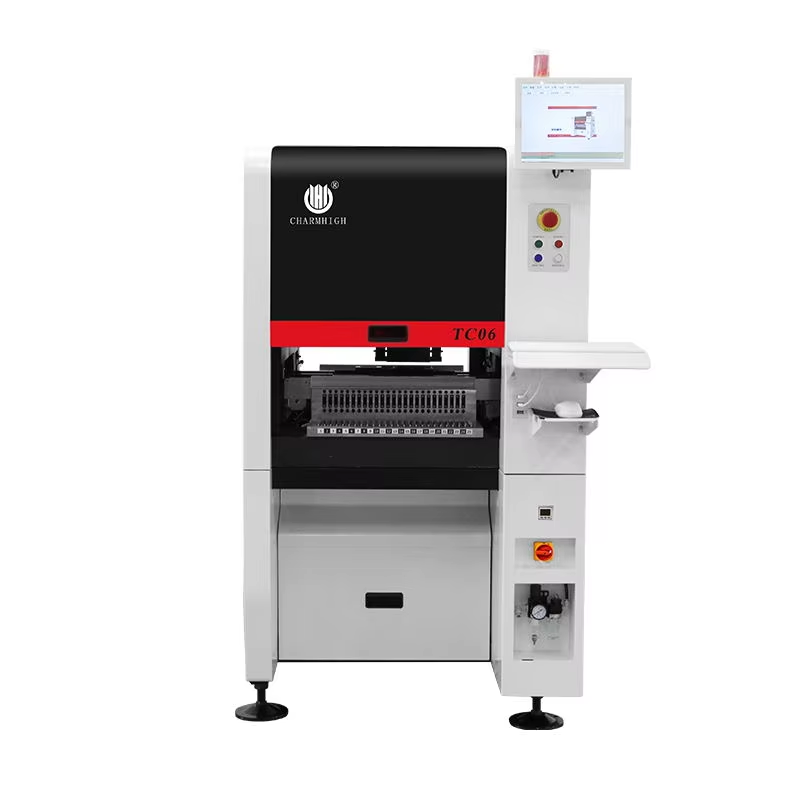
Understanding the Critical Role of SMT Pick and Place Machines in Line Performance
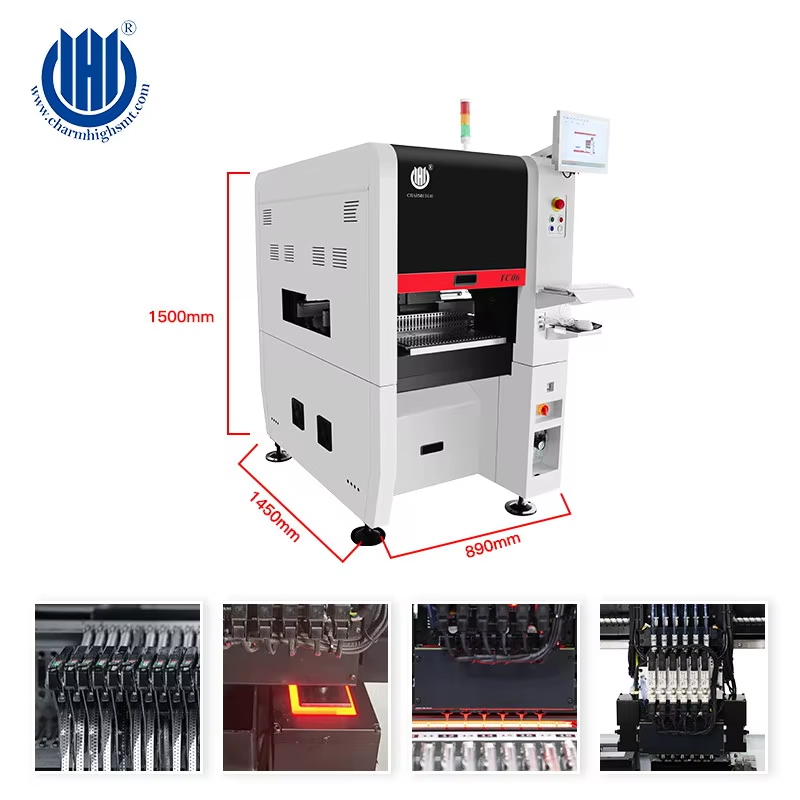
Why Pick and Place Machines Are the Core of SMT Assembly Lines
SMT pick and place machines are basically the heart of any electronics manufacturing setup these days, accounting for around half the capital costs in most mid-sized operations. What makes them so critical? Well, they control how fast things get made on the production floor. Top shelf units can drop components at an incredible rate of 120 thousand pieces every single hour. These machines handle everything from those little resistor chips down to full blown microprocessors with remarkable precision. Speed matters, sure, but accuracy is what keeps the whole operation running smoothly and maintains product standards across the board.
How Placement Accuracy Directly Affects Yield and Throughput
How accurately components are placed on circuit boards directly affects production yields and how fast manufacturing lines run in surface mount technology setups. A tiny misalignment at the micron level can cause problems like solder bridges, open circuits, or short circuits, which means either fixing faulty boards or throwing them away altogether something that really cuts down on overall equipment effectiveness numbers. The latest generation of machine vision systems built right into production equipment checks where parts are positioned and spots flaws as they happen, cutting down on mistakes made by operators and keeping product quality steady across batches. With electronic parts getting smaller all the time, such precise placement matters more than ever before for making sure densely packed boards actually work properly and last through their intended lifespan.
Case Study: Efficiency Gains at a Mid-Scale Electronics Manufacturer
One electronics manufacturer of moderate size saw real gains when they swapped out old gear for newer placement machines. Error rates went down quite a bit too—in fact, around 47% fewer mistakes were made during component placement within just three months. At the same time, output jumped up about 32%. These improvements came mainly because the factory combined better vision systems with improved feeder mechanisms. The investment paid off pretty well actually, showing that spending money on the right kind of equipment makes sense both financially and operationally. Plus, it positions their assembly lines nicely for what's coming next in terms of smaller components and tighter tolerances across the industry.
Maximizing SMT Line OEE Through Smart Machine Integration and Maintenance
Diagnosing Low OEE: Common Causes in SMT Production Lines
When Overall Equipment Effectiveness (OEE) drops in surface mount technology (SMT) production lines, most problems trace back to three main areas. First there's availability loss when machines just stop working unexpectedly. Then we see performance issues where equipment runs slower than it should. And finally quality problems pop up with defective boards needing rework. Looking at actual shop floor data, many plants struggle with regular stencil cleanings that eat into production time. Feeder problems are another big headache, causing around a third of all downtime across SMT lines according to industry reports. Poor calibration settings also create placement errors which directly impact first pass yields. By keeping close tabs on OEE metrics, plant managers can actually see where time gets wasted and then take targeted steps to fix specific bottlenecks instead of chasing ghosts all over the factory floor.
Calculating and Improving Overall Equipment Effectiveness (OEE)
The Overall Equipment Effectiveness (OEE) metric comes down to multiplying three factors: Availability, Performance, and Quality. Most top manufacturers aim for scores above 85%, though getting there takes serious effort. Let's break it down. Availability basically means how much time machines are actually running compared to when they're supposed to be working. Think about all those unexpected breakdowns or the time lost switching between different products on the line. Then there's Performance, which looks at how fast things get made versus what's theoretically possible. This catches those little stoppages and slowdowns that eat into productivity over time. And finally, Quality counts the number of flawless products coming out without needing fixes later. Putting in place systems that monitor these numbers in real time makes a big difference. When managers can see these stats live, they make better decisions that lead to real improvements in processes across the board.
AI-Driven Predictive Maintenance for Minimizing Downtime
Predictive maintenance powered by artificial intelligence analyzes things like vibrations, temperatures, and wear patterns to spot problems before they happen. Instead of waiting for something to break or following fixed maintenance schedules, this method lets technicians fix issues when needed based on actual conditions. That means fewer unexpected breakdowns that disrupt operations. Research indicates factories implementing these smart systems typically see around 20 to 25 percent savings on maintenance expenses while keeping machines running about 15 to 20 percent longer between repairs. The result? Equipment stays online more often and lasts longer overall, which makes good business sense for manufacturers looking to cut costs without sacrificing productivity.
Strategy: Synchronizing Feeders and Machine Settings to Boost Uptime
Getting the timing right between feeders and machines makes all the difference when it comes to keeping operations running smoothly and getting maximum output. When the feeder advance matches up properly with how the placement head moves, we see shorter cycle times without sacrificing accuracy. Good practice means setting up systems that automatically check feeders before production kicks off so nobody gets stuck with empty slots or misplaced parts. Also worth considering are adjustments made on the fly regarding nozzles and pressure settings depending on what components need placing. Studies show that when everything syncs correctly, factories can boost their throughput around 18 percent and cut down those annoying misplacements by about 22%. These improvements translate directly into better performance across entire production lines.
Selecting the Right SMT Pick and Place Machine for Speed, Flexibility, and ROI
Matching Machine Type: Chip Shooters vs. Flexible Placers for Odd-Form Components
When deciding between chip shooters versus flexible placers, manufacturers need to look at what kind of components they're dealing with and how much they need to produce. Chip shooters excel at putting down those tiny standard parts fast, think resistors and capacitors, which makes them great for when companies are cranking out thousands of identical boards. On the flip side, flexible placers can tackle all sorts of different components from connectors to big integrated circuits and weird shaped packages too. Many plants end up going with a mixed approach these days, running chip shooters alongside flexible placers so they get the best of both worlds speed for the common stuff and flexibility for the tricky components that don't fit neatly into mass production molds.
Head Configuration Strategies: Single vs. Gang Pick for Optimal Throughput
The way we set up machine heads makes all the difference between getting things done fast enough while still being able to handle different jobs. Single head machines are great because they can adjust on the fly, which works really well when dealing with lots of different parts or small batches where each run is unique. Gang pick heads work differently though. These bad boys drop several same parts at once onto boards, which means factories can crank out products about 40 percent faster than usual when everything looks pretty much alike on those circuit boards. But there's a catch here folks. When board designs start getting complicated or change often from one batch to another, gang pick heads just don't cut it anymore since they cant switch between different part arrangements easily like single heads can.
Balancing High-Speed and High-Precision Machines Based on Product Mix
Getting line optimization right means making sure the machines we have actually match what the products need. Fast running equipment is great when we're cranking out large volumes, but these machines often struggle with tiny details or small components, which can lead to all sorts of quality issues down the line. On the flip side, precision machines get those delicate placements spot on for sensitive components, so even though they take longer, the overall yield ends up better. When dealing with facilities that handle multiple product types, mixing and matching different machine setups tends to work best. This approach helps boost overall equipment effectiveness because it pairs the appropriate machinery with each individual circuit board based on its unique demands and specifications.
Optimizing Feeders and Machine Parameters to Enhance Placement Efficiency
How Feeder Delays Contribute to 30% of SMT Line Downtime
About one third of all unexpected stoppages on surface mount technology lines come from problems with feeders. The main culprits are usually tape jams, components that aren't properly aligned, or just plain wrong settings getting dialed in. When these things happen, the placement heads basically sit there doing nothing while production cycles get longer and overall output drops off. Feeders manage how parts get fed to those placement heads, so even small hiccups can really eat into productivity over time. That's why good feeder management practices and regular preventive maintenance aren't just nice to have but absolutely essential for keeping production running smoothly.
Best Practices for Feeder Selection: Tape, Tray, Tube, and Vibratory Systems
Getting the right feeder type makes a big difference in production speed and accuracy. Tape feeders work great for regular passive components once they're set up correctly. For bigger or delicate parts like QFNs and BGAs, tray feeders tend to be the best bet. Tube feeders can save money on certain through-hole or axial components, whereas vibratory feeders handle those weird shaped parts pretty well although they need some fine tuning to get orientations right. When manufacturers match their feeder tech to what the components actually need, plus invest in smart systems that automatically detect pitch, they often see setup times drop around 40%. And let's face it, fewer mistakes from operators means happier teams across the board.
Dynamic Adjustment of Placement Parameters for Maximum Output
The latest surface mount technology machines can adjust suction pressure, how fast they place components, and even how quickly the heads accelerate all in real time depending on what size parts are being used and how the circuit boards are laid out. When these settings get tweaked automatically during operation, factories typically see about a 15 to maybe 20 percent boost in production speed while still keeping those placements accurate. The sensors built into these systems help correct issues when tape gets loose or components warp slightly, so everything stays consistent even after running for hours on end. For companies dealing with different product volumes day to day, this kind of flexibility makes a huge difference because getting between jobs happens much faster, which ultimately means better overall equipment effectiveness for the whole manufacturing process.
Leveraging AI and Automation to Future-Proof SMT Line Efficiency
Overcoming Manual Programming Bottlenecks with AI Optimization
Traditional SMT programming demands extensive manual input, creating bottlenecks during changeovers. AI-driven tools now automate component sequencing, feeder assignment, and parameter setup, cutting programming time by up to 70%. By analyzing historical data and component libraries, these systems generate optimized machine instructions automatically, eliminating human error and accelerating time-to-production.
Using Genetic Algorithms for Intelligent Placement Path Planning
Genetic algorithms take path planning to another level by quickly checking out millions of different placement options, then refining them step by step until they find really good solutions. What makes this approach so effective is how it cuts down on the distance the machine head has to move around and reduces those frustrating periods when nothing's happening. Most factories report anywhere from 15% to 25% fewer placement cycles when using these methods. Traditional linear programming just doesn't cut it for boards with complicated shapes or all sorts of different components. Genetic algorithms handle these situations much better, adapting as needed without losing efficiency even when dealing with tricky designs that would trip up simpler systems.
Case Study: 25% Faster Setup Times with Automated Process Integration
An electronics manufacturer of moderate size recently rolled out an AI powered automation system that brought together three key manufacturing steps: stencil printing, component placement, and quality inspection. With automated data sharing replacing those tedious manual transfers between different production phases, they saw their setup times drop around 25 percent while their first pass yield rates jumped nearly 18 points higher. Looking at what this integration achieved shows just how much cumulative savings come from automating the whole SMT process from start to finish rather than patching together isolated improvements.
The Rise of End-to-End Automation in Modern SMT Lines
Today's surface mount technology lines have become something else entirely - complex networks where artificial intelligence manages everything from how materials move around the factory floor all the way through to checking finished products for defects. The smart systems running these operations constantly tweak themselves based on what's happening with machines, whether parts are available when needed, and what kind of quality issues pop up during production. According to recent studies in manufacturing circles, when companies go all in on automation, they typically see their Overall Equipment Effectiveness jump around 30 percent while cutting down on hands-on work by more than four fifths. This makes sense given today's market requirements: customers want boards assembled quicker, components keep getting tinier, and product designs change so fast it's hard to keep up without some serious tech support.
FAQs
Why are pick and place machines essential for SMT line performance?
Pick and place machines play a critical role in SMT production lines by ensuring fast, accurate placement of components, which directly influences production yield and throughput.
What are common causes of low OEE in SMT production lines?
Common causes of low Overall Equipment Effectiveness (OEE) in SMT lines include machine availability issues, performance slowdowns, and quality defects in output.
How does AI enhance SMT line performance?
AI optimizes SMT line performance by automating programming tasks, predicting maintenance needs through analyzed data, and improving placement path planning with genetic algorithms.
What are the benefits of end-to-end automation in SMT lines?
End-to-end automation enhances SMT line efficiency by allowing continuous monitoring and adjustment of processes, boosting OEE, and reducing manual labor significantly.
Table of Contents
- Understanding the Critical Role of SMT Pick and Place Machines in Line Performance
- Maximizing SMT Line OEE Through Smart Machine Integration and Maintenance
- Selecting the Right SMT Pick and Place Machine for Speed, Flexibility, and ROI
- Optimizing Feeders and Machine Parameters to Enhance Placement Efficiency
- Leveraging AI and Automation to Future-Proof SMT Line Efficiency