
 EN
EN
Understanding the Core Trade-Off: Throughput vs. Capital Efficiency in SMT Assembly Line Design
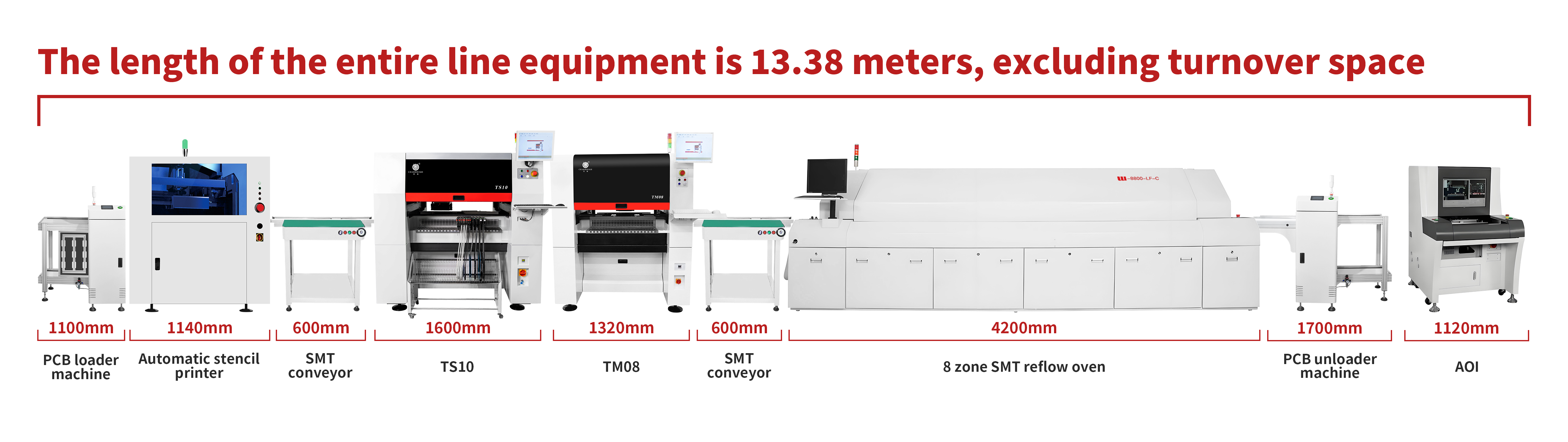
SMT assembly lines walk a fine line between getting enough product out the door and keeping equipment costs manageable. When manufacturers want to crank up production, they usually have to spend big bucks on new machines. Automated systems can place over 100k components each hour these days, which definitely helps cut costs per unit when running at full capacity. But let's face it - those fancy high speed pick and place machines come with price tags that make most plant managers wince. The whole industry faces this tough choice all the time. Some companies go for the super fast placers that really pump out volume, but then they're stuck with massive capital expenses. Others stick with what they've got, making sure their current assets get maximum use, though this approach often means sacrificing potential top end performance during peak demand periods.
The trade-off manifests in two dimensions:
- Throughput-Driven Designs leverage cutting-edge equipment for high-volume production, ideal for standardized products with predictable demand.
- Capital-Efficient Models focus on flexibility and uptime, using mid-speed machines with robust maintenance protocols to minimize operational expenditure.
High density surface mount technology (SMT) assemblies take up less space and generally perform better electrically compared to traditional through hole methods. But getting good results from these setups requires matching machine specs properly with what the factory actually needs to produce. Going all out on speed can leave expensive machines sitting unused when orders drop off. On the flip side, not having enough capacity means waiting for parts when business picks up unexpectedly. Finding the right balance between pushing for small daily improvements versus investing wisely for future growth is something plant managers wrestle with constantly. These choices about equipment spending directly affect bottom line numbers throughout the entire life cycle of an SMT production line.
Optimizing Existing SMT Assembly Line Capacity Through Line Balancing and Uptime Leverage
How Hunan Charmhigh Gained 22% Output Without New Placers
An electronics company managed to boost production through their surface mount technology line by around 22% simply by adjusting how work was distributed and keeping machines running longer. Instead of buying new equipment, they looked at what was already there and found ways to spread out the workload better between the existing placement machines, which helped get rid of those annoying bottlenecks that slow everything down. At the same time, they started using Total Productive Maintenance practices that cut unexpected stoppages by nearly 20%. They also implemented these SMED methods for changing over between different models, saving almost a third of the time previously spent on transitions. The combination of smarter workload distribution and improved maintenance practices gave them extra capacity similar to what they would have gotten from installing three brand new high speed placer machines. For manufacturers watching their bottom line, this shows sometimes getting more from what's already available beats spending big bucks on new hardware.
Evaluating Equipment Investment: Speed, Flexibility, and Total Cost of Ownership for SMT Assembly Lines
Why Mid-Speed, High-Uptime SMT Assembly Line Configurations Deliver 37% Lower 5-Year OpEx
When looking at surface mount technology lines, mid-speed setups tend to save companies around 37% on operating costs over five years compared to their high-speed counterparts. Why? Simply put, these systems spend less time offline for repairs and need fewer parts replaced. Fast machines push components to their limits all day long, which wears things out faster and means technicians are constantly tweaking settings. Mid-speed equipment handles production volumes reliably without breaking down so often. Take a look at actual numbers: a top speed line producing 50k components per hour usually runs only 70-80% of the time because of all the maintenance needed. Meanwhile, a mid-speed line making 35k units an hour stays running about 95% of the time, actually getting more done in the long run despite slower speeds. And let's not forget about money upfront either. Cheaper initial purchase prices mean smaller depreciation hits each year plus longer service life for the machines, making those cost savings even bigger after five years on the factory floor.
Accelerating ROI in SMT Assembly Line Deployment with Data-Driven Payback Modeling
When manufacturers apply data driven payback modeling to their capital investments, what was once seen as risky spending becomes something much more certain when it comes to generating profits on SMT assembly lines. The process involves running simulations across various production factors including how long machines stay operational between breakdowns, losses during manufacturing runs, time spent switching between different product types, plus all those hidden labor expenses nobody really wants to talk about. A mid sized electronics manufacturer actually cut down their expected return period by around 22 percent after implementing these kinds of predictive models which took actual supply chain issues into account such as parts becoming unavailable at critical moments and regular maintenance requirements getting overlooked. Getting this kind of accuracy helps match investment decisions with actual production goals and cuts down on potential money pitfalls that often come with big equipment purchases.
How MES Integration Cuts Average Payback by 5.2 Months
When companies bring in Manufacturing Execution Systems (MES), they typically see their investment pay off about 5 months sooner than usual according to what most industry reports show. The real time tracking of machines catches problems early on, like when feeders get out of alignment, which stops production from grinding to a halt. This kind of proactive approach cuts down on unexpected shutdowns somewhere between 15% and maybe even 30%. Then there's the dynamic scheduling feature that handles situations where materials run short or urgent orders come in, which helps improve Overall Equipment Effectiveness (OEE). All these improvements together mean getting more done each shift without needing extra staff or equipment, so the cost per item produced drops significantly. As a result, factories get their money back quicker and can actually put those savings into developing new products or upgrading their facilities instead of just maintaining the status quo.
FAQ
What is SMT assembly?
Surface Mount Technology (SMT) assembly involves mounting electronic components directly onto the surface of printed circuit boards. It's a more efficient and space-saving method compared to traditional through-hole technology.
What are the benefits of throughput-driven designs?
Throughput-driven designs are ideal for high-volume production, particularly for standardized products with predictable demand. They allow manufacturers to produce large quantities quickly.
How can manufacturers optimize existing SMT assembly lines?
Manufacturers can optimize existing SMT assembly lines by balancing workloads better across machines, implementing Total Productive Maintenance practices, and using methods like SMED to reduce time spent on transitions between products.
Why are mid-speed SMT setups more cost-effective in the long run?
Mid-speed SMT setups generally require less maintenance and experience fewer breakdowns, which leads to lower operating costs over time and more consistent production efficiency.
How does data-driven payback modeling benefit SMT assembly line investments?
Data-driven payback modeling provides predictive insights that help align investment decisions with production goals, reducing financial risks associated with major equipment purchases.
Table of Contents
- Understanding the Core Trade-Off: Throughput vs. Capital Efficiency in SMT Assembly Line Design
- Optimizing Existing SMT Assembly Line Capacity Through Line Balancing and Uptime Leverage
- Evaluating Equipment Investment: Speed, Flexibility, and Total Cost of Ownership for SMT Assembly Lines
- Accelerating ROI in SMT Assembly Line Deployment with Data-Driven Payback Modeling
- FAQ