
 EN
EN
Feeder Type Selection and Its Direct Effect on SMT Placement Throughput
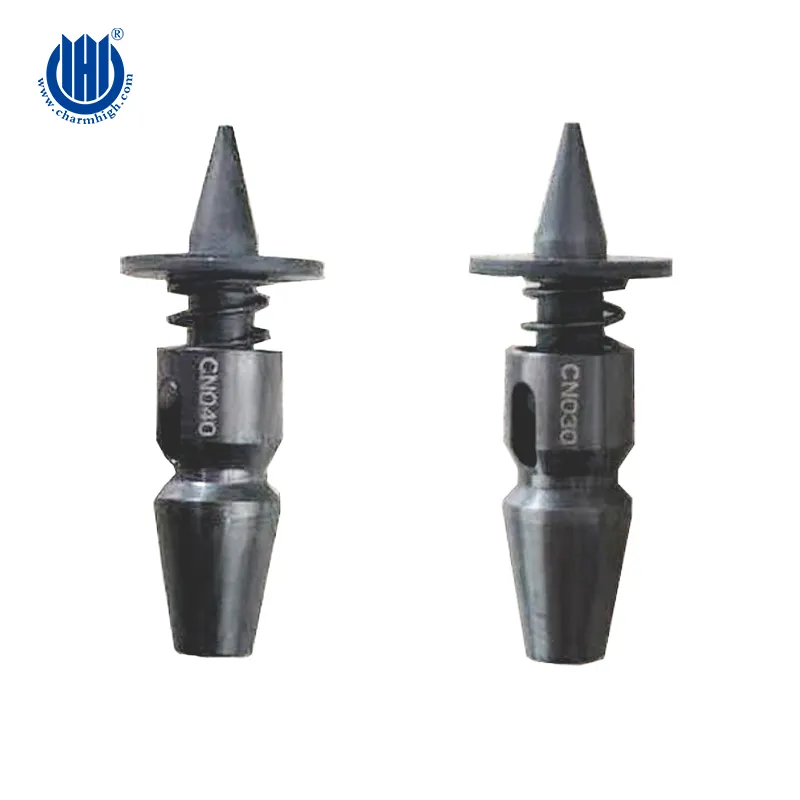
Tape, Tray, Tube, and Vibratory Feeders: Cycle Time Variance by Component Class
The way components are packaged plays a big role in how fast they can be placed on surface mount technology (SMT) lines. Tape feeders work best for small passive chips, getting them down in under half a second each. Tray systems take longer though, around 1.2 to 2.5 seconds for integrated circuits because the robot arms have to move further. Vibratory feeders create some inconsistency too, adding about 15 to 20% variation in cycle times when dealing with odd shaped connectors that need constant reorientation. When feeders don't match their components properly, manufacturers can lose as much as 23% of production capacity on boards with multiple technologies according to industry standards. Smart grouping makes all the difference. Place those tiny 0201 and 0402 passive parts right next to the placement heads using tape modules, and put bigger components like ball grid arrays (BGAs) in separate trays at the edges of the production line. This setup reduces unnecessary movement and keeps the whole process running smoothly.
Smart Feeders vs. Mechanical Feeders: Data-Driven Uptime and SMT Placement Efficiency Comparison
Feeder systems with built-in IoT sensors maintain around 99.4% uptime, which is way better than the roughly 92.7% we typically see from old school mechanical feeders. This means factories experience about 60% fewer unexpected shutdowns when they upgrade. The real magic happens with those real time component counters and alignment warnings that stop jamming issues before they happen. Without these features, production lines can lose anywhere from 7 to 12 precious minutes every single hour during dense assembly runs. Yes, smart feeders do cost about 30% more upfront compared to traditional models, but manufacturers find the investment pays off quickly. These advanced systems slash repair times by nearly 80% thanks to predictive maintenance alerts. They also keep parts picking success rates consistently above 99.6%, something that meets even the strictest IPC-A-610 Class 3 standards. For facilities running mixed product batches, this kind of reliability makes all the difference. Even with constant line changes throughout the day, plants can still hit impressive placement speeds over 28,000 components per hour without breaking a sweat.
Feeder Layout Optimization for Maximum Pick-and-Place Head Utilization
Minimizing Travel Distance and Nozzle Switching via Strategic Feeder Center Height and Pitch Alignment
The way feeders are laid out really affects how fast things get done. When the center of the feeder lines up with where the nozzle is positioned, it cuts down on all that up and down movement by around 15 to 22 percent. And putting together components that need the same nozzle next to each other means we don't waste time switching nozzles back and forth. Each time we switch, it eats up about 0.7 seconds according to some research from last year. Getting the spacing right between feeders lets us grab parts one after another without having to adjust side to side so much, which makes everything move smoother. Take those tiny 0402 capacitors for example. Using two feeders at once creates parallel paths for picking them up, and this setup can shave off roughly 30% off the time needed to retrieve these small but important components.
Mobile vs. Static Feeder Trolleys in High-Mix SMT Placement Lines: Impact on Changeover Time and MTTR
In high mix manufacturing settings, mobile feeder trolleys can cut down changeover times anywhere from 30 to 45 percent. These preconfigured units allow setups to happen away from the main production line so there's no need to halt operations when switching components. Looking at actual numbers from the latest SMT Operational Analysis report, static systems take around 8.3 minutes per changeover compared to only 4.7 minutes with mobile options. What this means is faster mean time to repair since feeder calibrations stay intact during transfers. Another benefit worth mentioning is that less hands-on work reduces alignment problems by about 19%, keeping placement accuracy well above the industry standard of 99.6% set by IPC guidelines.
Critical Feeder Performance Metrics That Govern SMT Placement Throughput
Pick-Up Success Rate Thresholds: Quantifying Throughput Loss Below 99.6% (IPC-A-610 Benchmark)
According to the IPC-A-610 guidelines, manufacturers need to maintain at least 99.6% pick-up success rates for their SMT machines to work efficiently. When production drops even slightly below this benchmark, things start going downhill fast. For instance, if the success rate falls just 0.5% to 99.1%, that means about 270 extra placement errors happen every hour on a line running 30,000 components per hour. Fixing each mistake takes anywhere from 15 to 30 seconds, which adds up to roughly 18 to 36 extra minutes of downtime during an 8-hour shift. These small losses really add up over time, cutting annual Overall Equipment Effectiveness (OEE) by around 3 to 7 percentage points and inflating rework expenses between $12,000 and $28,000 per production line. To stay above the 99.6% mark, plant managers must focus on regular feeder calibration checks, keep a close eye on nozzle wear, and inspect component tapes frequently. These seemingly minor maintenance tasks actually make all the difference in preventing those costly alignment issues that lead to misfeeds and wasted materials.
Feeder Setup, Calibration, and Maintenance: Eliminating Hidden Throughput Loss in SMT Placement
Getting feeders set up right, properly calibrated, and maintained regularly is really important for avoiding those sneaky losses in production flow. When feeders aren't aligned correctly, they cause problems like components not picking up properly and issues during reflow soldering processes. Industry research shows this can actually cut down on overall line efficiency by as much as 15%. Having technicians do proper alignment when installing equipment helps ensure nozzles move consistently and timing stays accurate. Regular calibration keeps things precise at the micron level needed to hit that 99.6% pickup rate specified in IPC-A-610 standards. Maintenance schedules matter too. Replacing worn out belt drives and tensioners before they break cuts down defects by more than 30%. Cleaning guide rails monthly stops dust and debris from building up and messing with how components get positioned. All these steps combined bring about a 40% reduction in unexpected downtime and help maintain better Overall Equipment Effectiveness (OEE) because feeders perform more consistently regardless of who's operating them or what shift it is.
FAQ
What are the different types of feeders in SMT?
There are several types of feeders used in SMT lines, including tape, tray, tube, and vibratory feeders.
How do smart feeders benefit SMT lines over mechanical feeders?
Smart feeders with IoT sensors offer around 99.4% uptime, reduce unexpected shutdowns, and enhance component picking accuracy compared to traditional mechanical feeders.
Why is feeder layout optimization important in SMT production?
Optimizing feeder layout minimizes nozzle movement and reduces cycle time, increasing overall SMT line efficiency.
How do mobile feeder trolleys impact changeover times?
Mobile feeder trolleys decrease changeover times by 30 to 45 percent and maintain feeder calibration during transfers.
What is the importance of the pickup success rate in SMT?
Maintaining a 99.6% pick-up success rate is essential to prevent placement errors and ensure efficient SMT production.
Table of Contents
- Feeder Type Selection and Its Direct Effect on SMT Placement Throughput
- Feeder Layout Optimization for Maximum Pick-and-Place Head Utilization
- Critical Feeder Performance Metrics That Govern SMT Placement Throughput
- Feeder Setup, Calibration, and Maintenance: Eliminating Hidden Throughput Loss in SMT Placement
- FAQ