
 EN
EN
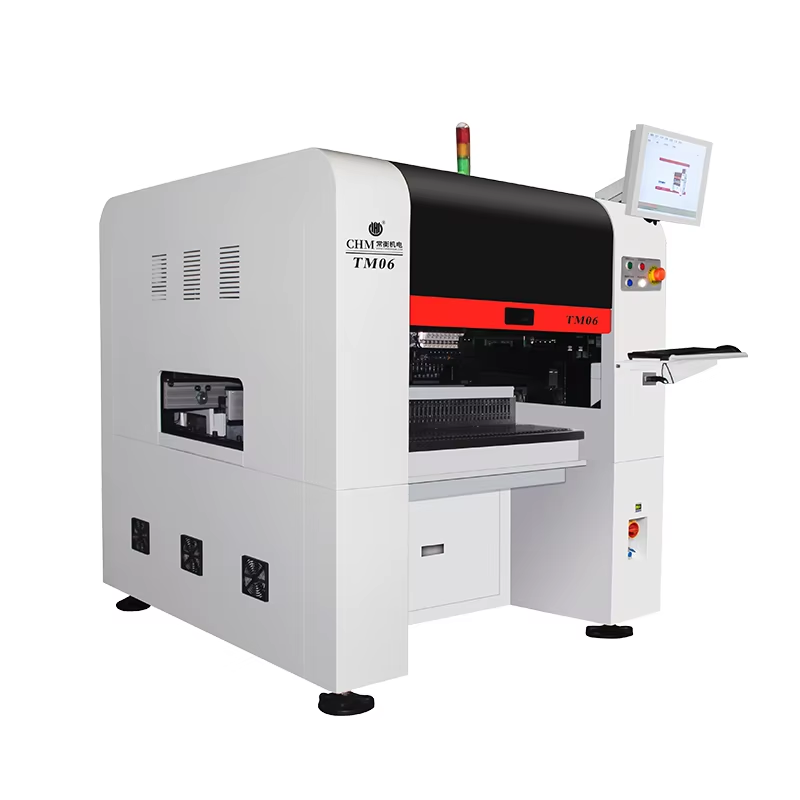
Optical Recognition System Performance about SMT Pick and Place Machine
How accurate SMT pick and place machines work really depends on those optical recognition systems they have. When the lights start to fade or dust builds up on the lenses, it messes with how the machine reads those fiducial markers, which leads to parts getting placed wrong. According to some industry research from last year's SMT Assembly Report, just a little bit of dirt on the lenses can cause placement mistakes over 12%. That's why most manufacturers stick to regular cleaning routines and replace those light sources before they fail completely. Keeping these systems clean and well maintained isn't optional if anyone wants consistent results from their assembly lines.
Impact of light source degradation and lens/dust contamination on fiducial detection reliability
When contaminants get into the mix, they mess with how light behaves and knock down image contrast, which makes it tough for the system to recognize those important reference points. Even tiny dust specs around 10 microns in size can hide those crucial edge markers. And let's not forget about old LEDs either. As they age, their wavelength starts drifting around, throwing off the whole grayscale reading thing. All this combines to really hurt the system's capability when it comes to picking out those fine position details. What does all this mean? Straightforward answer: bigger XY offset problems when aligning boards. Looking at actual AOI test results tells the story pretty clearly. Boards that went through contaminated vision systems show roughly three times more placement drift compared to ones where the optics were kept clean and well maintained.
Gray value calibration drift and nozzle size interference in component centroid calculation
Component centroid miscalculation frequently stems from uncalibrated gray-value thresholds or physical nozzle interference. When calibration drifts by 5 grayscale units, vision systems misjudge component boundaries by 15–22 µm. Simultaneously, oversized nozzles occlude camera sightlines during imaging—especially with micro-components under 0201 size—introducing parallax and boundary ambiguity. Consider these comparative error sources:
| Error Source | Typical Deviation | Calibration Frequency |
|---|---|---|
| Gray-value threshold drift | 12–18 µm | Bi-weekly |
| Nozzle occlusion | 8–15 µm | Nozzle change |
Maintaining strict grayscale recalibration schedules and nozzle-size matching protocols reduces centroid errors by 68%, according to internal process audits across three Tier-1 EMS facilities.
Nozzle–Suction System Integrity and Vacuum Stability
Vacuum decay, clogged filters, and intermittent pickup failure
The stability of vacuum systems has a major impact on how accurately components get placed during manufacturing. Filters that get clogged with dirt and debris cause vacuum pressure to drop below what's needed for proper operation, which leads to all sorts of problems when picking up tiny parts like those 0201 resistors we're always dealing with. According to industry failure analysis reports following IPC-A-610 standards, around two thirds of placement errors happen when vacuum pressure drops more than 12% from standard levels. When suction isn't consistent enough, parts either fall off completely or end up misaligned right before they should be positioned. To keep things running smoothly, manufacturers need to check vacuum pressure regularly within the 0.5 to 2.0 kPa range depending on part weight, plus replace filters every month or so. Dirty air pathways through the system also wear out seals faster, making pressure fluctuations even worse over time.
Nozzle wear, contamination, and Z-axis repeatability degradation
When nozzle tips start to deform after extended use, they create tiny gaps that mess up vacuum seals when parts are picked up. And let's not forget about solder paste buildup either – this stuff can cut suction power down by almost half in busy production lines running non-stop. Together, these issues really hurt Z-axis repeatability. Just think about it: if there's even a 0.05mm wobble while placing components, we end up with tombstoning problems on those little chips. Most ceramic nozzles need replacing roughly every six months to keep their shape intact over time. What happens when O-rings wear out? They cause what engineers call Z-axis hysteresis, which basically means placement gets worse when machines run at top speed. Regular maintenance matters here. Good calibration practices should definitely include checking how straight the nozzles sit (concentricity) and testing how fast vacuum pressure drops off. These simple steps go a long way toward preventing headaches later on.
PCB Mechanical and Geometric Influences
Board warpage and support pin height inconsistency causing dynamic XY distortion
When SMT pick and place machines work with warped circuit boards or uneven support structures, dynamic XY distortion becomes a real problem. If the board warps more than 0.75% of its total length, it causes tiny but significant shifts in where components land during those fast placement operations. The issue gets worse when support pins aren't all at the same height. This lets certain areas bend under vacuum pressure right before imaging happens, which messes up the fiducial marks we rely on for alignment. These small errors build up over time in production runs, and they're particularly problematic for components with very fine pitches (anything below 0.4mm). To fight these issues, manufacturers need to be really careful about choosing PCB materials that maintain stable CTE properties throughout temperature changes. Also important are support pin setups that stay consistent across the board. Most warping problems actually come from differences in how much copper layers expand compared to their substrate materials. That means designers have to pay close attention to laminate choices early in the development process if they want to minimize warpage problems down the line.
Integrated Control System Timing and Calibration Discipline
Vision-motion-synchronization latency (±0.8ms jitter – 15–22 µm XY error at 80,000 CPH)
Getting the timing right between vision inspection systems and mechanical movements is what makes all the difference for accurate component placement. When running at 80,000 components per hour, even tiny sync issues matter a lot. A lag of just plus or minus 0.8 milliseconds can throw off placement by 15 to 22 micrometers, which is about half as thick as a single strand of human hair. These small timing problems build up when cameras take pictures, software processes images, and robots respond, everything getting slightly misaligned. Things get worse when temperatures change throughout the day or when there's electrical noise around. If machines aren't calibrated regularly, those tiny mistakes lead to big problems like solder bridges or missing connections on those super fine pitch components. According to recent industry benchmarks from 2023, factories using real time monitoring cut down on these kinds of defects by around 42% in their mass production runs. Keeping strict calibration schedules ensures that vision systems stay properly synced with moving parts through all sorts of temperature changes during operation.
FAQs
How does dust affect SMT machine accuracy?
Dust build-up on lenses can reduce the accuracy of the machine, leading to placement errors over 12%. It's crucial to maintain regular cleaning routines to ensure optimal performance.
What are common sources of error in component placement?
Common errors include gray-value calibration drift, nozzle size interference, vacuum decay, nozzle wear, and board warpage—all affecting component placement accuracy.
How does warpage of circuit boards affect SMT machines?
Circuit board warpage causes dynamic XY distortion during placement, leading to significant component misalignment, especially with fine pitch components.
Why is synchronization important in SMT Pick and Place Machine operations?
Synchronization ensures precise timing between vision systems and mechanical movements. Any latency can lead to significant XY errors, affecting overall placement accuracy.