
 EN
EN
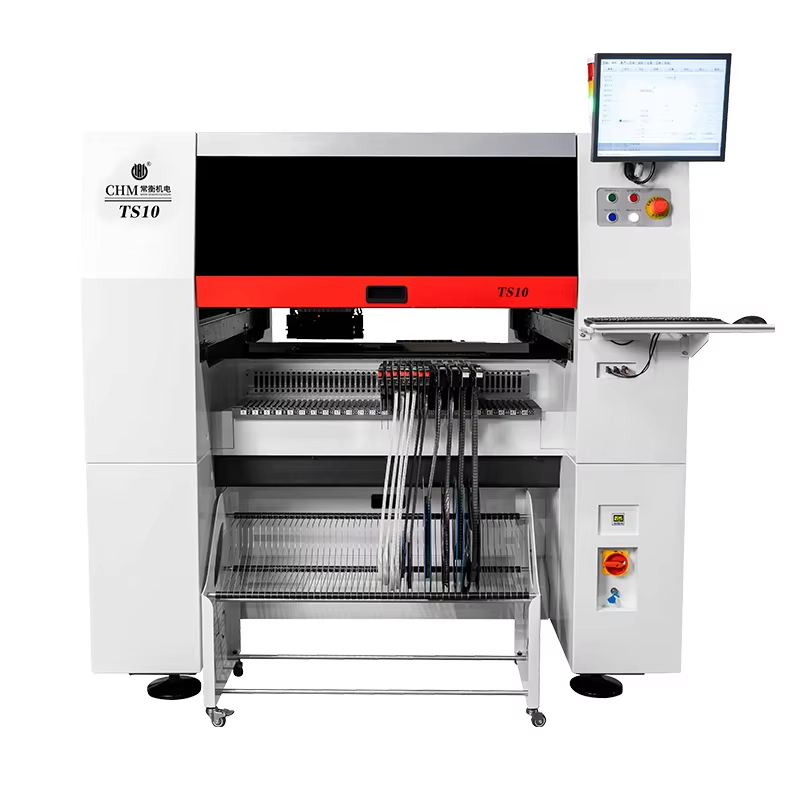
Root Causes of Major SMT Pick and Place Machine Defects: Bridging, Tombstoning, and Cold Joints
Stencil misalignment and solder paste release issues driving bridging and tombstoning
Most common issues in Surface Mount Technology (SMT) assemblies such as solder bridging and tombstoning typically start right at the solder paste printing stage. A tiny misalignment of the stencil, even less than 50 microns, can mess up how paste gets deposited onto those PCB pads, creating uneven wetting during the reflow process. Combine this with problems where solder paste doesn't release properly from clogged stencil holes or has the wrong consistency, and we get those annoying bridges forming between component leads. Tombstoning happens when there's an imbalance in paste volume that creates different surface tensions, causing small parts like 0201 resistors to lift off one side completely. Getting the metal content just right in solder paste matters too it should be around 88 to 92% solids generally and poor stencil designs only make things worse. Sure, the accuracy of SMT pick and place machines plays a role in final placement when deposits aren't perfect, but really the main issue lies back in how well the stencil process is controlled. Manufacturers need to thoroughly check their stencils for proper alignment, look at the shape of those apertures, and test the paste's flow properties if they want to avoid expensive rework later down the line.
Reflow profile variability as the primary contributor to cold joints and solder balling
How we manage heat during reflow soldering makes all the difference when it comes to avoiding cold joints and solder balls. When the pre-heat ramps up too fast, say over 2 to 3 degrees per second, or there's temperature variation greater than plus or minus 5 degrees across different parts of the board, the flux doesn't activate properly everywhere. What happens then? We get these pesky cold joints where the melted solder just doesn't stick well enough to the component leads, creating weak connections that tend to fail early on. Solder balls are another problem entirely. They form when there's too much thermal shock at those high peak temps around 220 to 250 degrees Celsius. The flux vaporizes so quickly it shoots out tiny solder spheres all over the laminate surface. And if components spend too little time above the liquidus point, usually somewhere between 40 and 90 seconds, the solder particles won't fully come together either. Getting the reflow profile right matters a lot. Good profiles need to match what the paste manufacturers recommend, and checking them with thermocouples helps ensure even heating throughout the process without those damaging temperature differences.
SMT Pick and Place Machine Precision: Preventing Placement-Related Defects
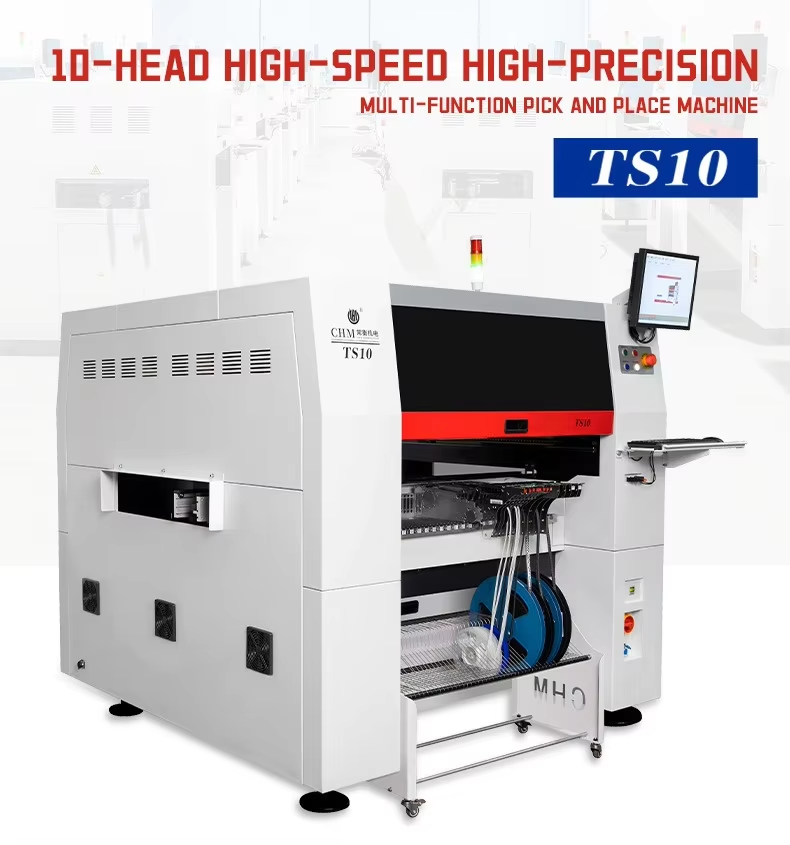
Sub-25μm placement accuracy eliminating misalignment and reducing rework cycles
Modern SMT pick and place machines can achieve placement accuracy below 25 microns, which means components get positioned on PCBs with incredible precision. This basically stops those annoying alignment issues that cause defects down the line. The real magic happens with those real time vision systems that spot problems as they happen and make adjustments on the fly, so even when running at breakneck speed, the machine maintains its accuracy. According to industry numbers from the 2023 Electronics Manufacturing Study, factories using this level of precision see around 40% fewer rework cycles in mass production runs. What's even better is that overall defect rates drop by about 55% compared to older equipment, making a huge difference in both quality and bottom line costs.
Fiducial-based closed-loop correction boosting process capability (Cpk 1.67 for 0201 components)
The fiducial based closed loop correction system lets machines spot placement errors as they happen and automatically fix them. With this kind of setup, manufacturers can hit a Cpk rating above 1.67 when working with 0201 components, which means defect rates drop below 0.1%. Solder joints stay intact even on those tiny passive components throughout production runs. These automated feedback systems handle all the adjustments behind the scenes so no one has to manually step in. This works really well for boards with different layouts and complicated component combinations, keeping yields high despite the challenges.
Integrated Automated Inspection: SPI, AOI, and Reflow Monitoring
Real-time solder paste inspection (SPI) cutting bridging risk by up to 68%
Solder paste inspection systems work in real time using 3D imaging tech to check printed circuit boards right before components get placed. These systems spot issues like uneven paste volumes, off-center application, and potential bridging problems with pretty good accuracy. When companies stick with regular SPI checks, they see a big difference in their production lines. One factory saw defects fall dramatically from 12% down to just 0.3% once they started using this technology regularly. The real value comes from fixing problems while the board is still on the printer rather than dealing with costly scrap later after reflow. This makes SPI a solid quality checkpoint early in the manufacturing process, particularly when paired properly with accurate stencils and reliable component placement equipment.
AOI-guided rework prioritization slashing average defect resolution time by 41%
AOI systems take detailed pictures after the reflow process to spot problems like tombstoning, voids, misaligned components, and all sorts of soldering issues that can ruin a board. The better ones these days actually use artificial intelligence to figure out how bad each defect really is and then send the boards straight to where they need fixing. This smart sorting cuts down on waiting around for someone to check everything manually and saves about 40 something percent off the usual time it takes to fix defects according to most factories I've talked to. When there's something seriously wrong, those get fixed right away. Boards that look good just keep moving along the line without stopping, which helps keep things flowing smoothly even when dealing with all different kinds of products in small batches.
ROI of Automation in SMT Lines: Yield Gains, Labor Efficiency, and Scalability
When companies automate their Surface Mount Technology (SMT) assembly processes, they typically see benefits in three main areas: better product yields, reduced labor needs, and greater ability to scale production. The high precision of modern SMT Pick and Place machines cuts down on common solder problems like bridging and tombstoning by around 60 percent according to recent industry data from 2024. As a result, first pass yields go up between 15 and 25 percentage points. Fewer defects means less time spent fixing mistakes and wasting materials, which brings down the cost to assemble each unit by roughly 30 to 50 cents. Meanwhile, automated production lines need only about five workers compared to the dozen or so required for manual operations. This saves hundreds of thousands of dollars each year on wages while keeping the factory running nonstop day and night. Another big plus is scalability. Automated SMT lines can boost output by 40 to 70 percent without hiring extra staff, making it much easier for manufacturers to handle sudden spikes in demand. Changeovers usually take less than two hours to complete. Most plants find that all these efficiencies pay for themselves within 12 to 18 months after installation.
FAQs
What causes solder bridging and tombstoning in SMT assemblies?
Solder bridging and tombstoning primarily occur due to stencil misalignment and improper solder paste release during the printing stage.
How can cold joints and solder balls be avoided during reflow soldering?
Cold joints and solder balls can be avoided by managing heat effectively during reflow, ensuring the reflow profile matches manufacturer recommendations.
How does automation improve SMT line efficiency?
Automation increases product yields, reduces labor needs, and enhances scalability, benefiting manufacturers substantially.
What advantages do modern SMT pick and place machines offer?
Modern SMT pick and place machines offer sub-25μm placement accuracy, reducing rework cycles and lowering overall defect rates.
Table of Contents
- Root Causes of Major SMT Pick and Place Machine Defects: Bridging, Tombstoning, and Cold Joints
- SMT Pick and Place Machine Precision: Preventing Placement-Related Defects
- Integrated Automated Inspection: SPI, AOI, and Reflow Monitoring
- ROI of Automation in SMT Lines: Yield Gains, Labor Efficiency, and Scalability
- FAQs