
 EN
EN
Root Causes of Component Loss in High-Speed SMT Placement
Tombstoning and Micro-Misalignment: Accelerated Failure Modes at Speed
When components lift straight up during reflow because the solder isn't wetting evenly on both sides, this problem called tombstoning gets worse fast. Industry data from SMT Journal shows it jumps about 40% when placement speeds go over 30,000 components per hour. The main reason? Components just don't have enough time to settle properly before going through reflow when machines work so quickly. At the same time, tiny misalignments smaller than 50 microns start causing big issues in crowded PCB designs. These small errors get magnified when nozzles move really fast across the board. There are actually three connected problems behind all these manufacturing headaches:
- Angular skew exceeding 3° from nozzle vibration
- X/Y deviations over 25µm due to stage calibration drift
- Z-axis pressure inconsistencies that destabilize 0402 and smaller components
Together, these account for 67% of placement-related defects in high-throughput SMT lines.
Thermal Asymmetry and Dynamic Force Imbalance in SMT Placement
Placement cycles under 1.2 seconds intensify these imbalances—especially for components below 0.4mm pitch, where thermal mass variations between terminations exceed 15%.
Precision Engineering Solutions for SMT Placement Systems
Dual-Head Platforms and Real-Time Vision-Guided Pressure Control
The latest surface mount technology placement systems now feature dual head platforms that work together through synchronized motion control. These setups can maintain production rates well over 25,000 components per hour while avoiding those annoying placement collisions that slow things down. What really makes these machines stand out is their built-in machine vision system. It does incredible work aligning parts at the micron level while they're still in mid-air. When defects get spotted, the system adjusts nozzle pressure within just 5 milliseconds. According to what industry folks have been saying lately, this kind of real time correction cuts down misalignment problems by about 60%. And there's another benefit too it helps prevent tombstoning issues with those tiny 0201 components by balancing out temperature differences across printed circuit boards.
Adaptive Nozzle Selection and Vacuum Calibration by Component Profile
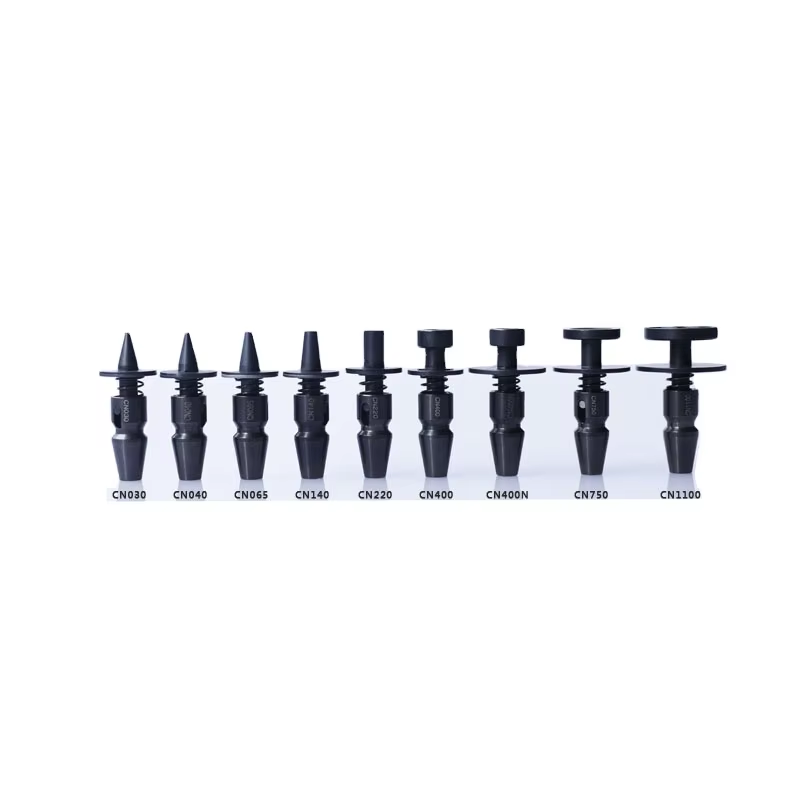
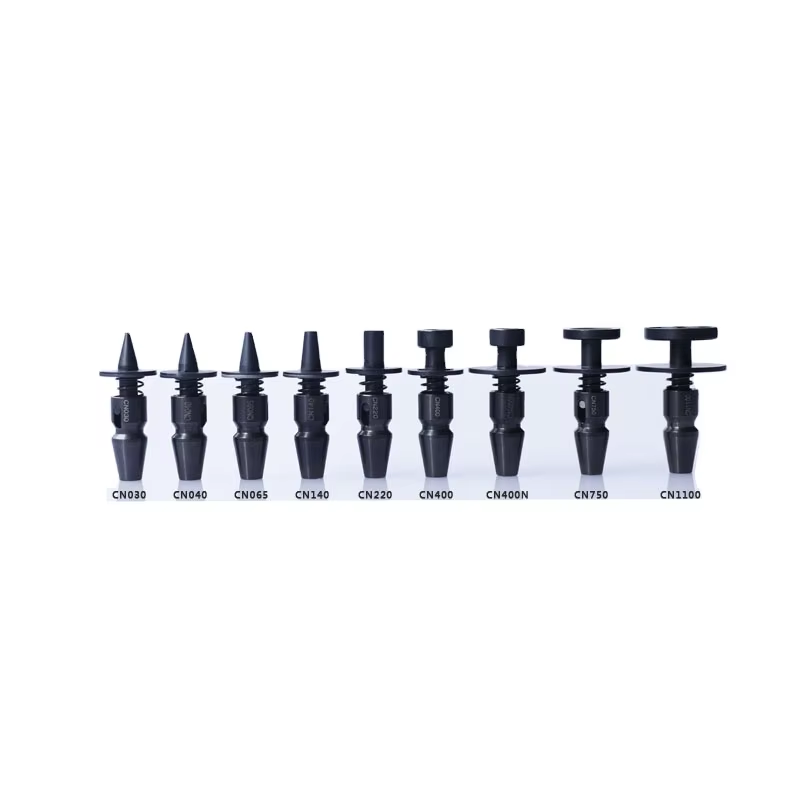
Advanced systems automatically match nozzle geometry to component size—from 01005 passives to 30mm BGAs—and calibrate vacuum strength to material mass and geometry:
- Passive components: Low-viscosity suction avoids cracking ceramic substrates
- QFN/IC packages: Multi-stage vacuum ramps ensure precise pin-grid registration
- Flexible connectors: Pressure-limited placement prevents solder paste displacement
This profile-based calibration cuts tombstoning by 45% and micro-cracks by 32% versus static nozzle configurations. Continuous vacuum monitoring also rejects components with insufficient grip force before misplacement occurs.
Human-Machine Synergy: Calibration, Maintenance, and Technician Expertise in SMT Placement
Why Scheduled Downtime Alone Fails to Prevent Micro-Misalignment
Relying solely on scheduled downtime overlooks the dynamic nature of micro-misalignment—driven by real-time variables like thermal drift during extended operation and component dimensional tolerances (e.g., ±0.1mm). Industry data shows 40% of micro-misalignments occur between scheduled calibrations.
Effective prevention requires integrated human-machine collaboration:
- Adaptive systems, such as real-time vision feedback that adjusts nozzle pressure mid-cycle
- Operational intelligence, where technicians analyze machine logs to anticipate calibration drift
- Precision calibration protocols, targeting localized stress points like conveyor vibration zones
Technicians trained in data-driven diagnostics can intervene proactively, reducing component loss by up to 30% compared to calendar-based maintenance alone.
FAQ
What is tombstoning in SMT placement?
Tombstoning refers to the phenomenon where components lift straight up during reflow, often because the solder does not wet evenly on both sides of the component.
How does thermal asymmetry affect SMT placement?
Thermal asymmetry induces differential expansion across the PCB during reflow, generating shear forces that can displace components.
How can dual-head platforms improve SMT placement accuracy?
Dual-head platforms feature synchronized motion control and integrate machine vision systems to align parts at the micron level, reducing misalignment and tombstoning issues significantly.
Why is human-machine synergy crucial for addressing micro-misalignment?
Human-machine synergy is vital because relying solely on scheduled downtime fails to address dynamic misalignment factors such as thermal drift and component tolerances. Technicians trained in diagnostics can proactively reduce component loss.