
 EN
EN
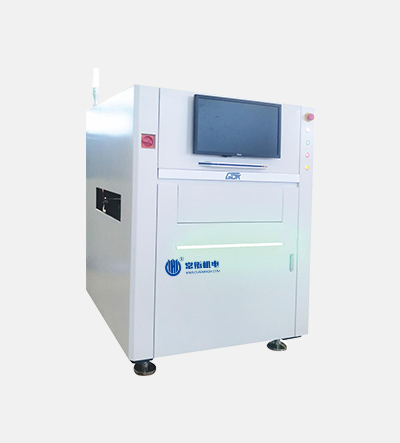
Key Types of PCB Assembly Machines and Their Operational Roles
PCB assembly equipment falls into distinct categories, each addressing specific manufacturing needs. Production volume and complexity drive this diversification.
High-Speed Chip Shooters vs. High-Accuracy Precision Placers
The high speed chip shooters are king when it comes to mass producing consumer electronics, capable of placing those passive components at rates exceeding 15,000 pieces every single hour. These machines work great for putting down resistors, capacitors and tiny integrated circuits quickly, though they run into trouble with really small parts that have pitches under 0.4 mm. On the flip side, precision placement equipment handles the trickier stuff like ball grid arrays and quad flat no lead packages with amazing accuracy down to under 50 microns. The machines use visual guidance systems to line everything up just right, which is super important because these tiny solder joints can cause major headaches if not placed correctly. Manufacturers lose around $740,000 each year fixing defective boards caused by poor placement according to a study from Ponemon Institute back in 2023.
| Feature | Chip Shooters | Precision Placers |
|---|---|---|
| Placement Speed | 15,000 cph | 2,000–5,000 cph |
| Component Handling | 0402 passives, SOICs | BGAs, QFNs (<0.4mm) |
| Key Strength | Volume throughput | Micron-level accuracy |
Modular and Hybrid Lines for SMT/THT Co-Processing
Modular PCB assembly lines bring together surface mount tech (SMT) and through hole tech (THT) at conveyor connected stations. This setup gets rid of those tedious manual transfers between different departments and cuts down the time boards spend waiting in progress by around thirty percent. The real game changer comes from hybrid machines that have interchangeable placement heads capable of handling both tiny SMT components and larger THT connectors all on one machine. These setups are becoming must haves for things like automotive control units where multiple technologies need to coexist on the same board. And let's not forget about smart feeder systems either. They take care of managing component reels automatically, slashing changeover times down to just under ten minutes which makes production runs much smoother overall.
Supporting Systems: Reflow Ovens, Wave Soldering, and Automated Inspection (AOI/X-ray)
Reflow ovens used in industrial settings create specific temperature zones that melt solder paste while keeping heat-sensitive ICs safe from damage. Wave soldering still plays a key role in attaching those sturdy THT connectors found in power supplies, especially since newer selective systems cut down on wasted solder and simplify the masking process. AOI machines and X-ray inspection systems act as the last line of defense before products go through functional tests, catching issues like tombstoning, solder bridges, and cold joints that would otherwise slip through. When manufacturers bring all these technologies together into their production lines, they typically see defect rates drop by around 90%, as each solder joint gets checked against detailed 3D reference models during inspection.
Core Functional Capabilities That Define PCB Assembly Machine Performance
Vision-Guided Alignment and Closed-Loop Software Control for <50µm Placement Accuracy
PCB assembly machines today can hit pretty amazing levels of precision thanks to their built-in vision systems and smart software controls that adjust on the fly. These machines use high res cameras to look at those tiny fiducial markers and check where components are going, then make corrections while the machine is still running. The end result? Accuracy down to around 20 to 40 microns, which matters a lot when dealing with those super small 0201 parts or fine pitch BGA chips. According to the IPC-9850 guidelines from last year, these advanced systems cut down misalignment issues by about two thirds in dense circuit boards. They also handle problems like warped boards and temperature changes as everything heats up during production.
Multi-Nozzle Placement Heads and Smart Feeder Management for Rapid Changeovers
Top PCB assembly systems now incorporate modular placement heads that come with interchangeable nozzles along with smart feeder technology, all aimed at slashing setup times. These machines can handle different sized components at once thanks to their multi-nozzle setups. Meanwhile, RFID equipped feeders take care of configuring reel settings automatically and keep tabs on inventory levels, which means no more tedious manual adjustments. When paired with vibration feeders that work smoothly alongside tape reels, this combination typically reduces changeover time between jobs by around half to three quarters compared to older equipment according to a recent study from Manufacturing Efficiency in 2023. The result? Production lines running about 40 percent more efficiently when dealing with those tricky small batch orders that mix various product types.
Quantifiable Manufacturing Efficiency Gains from Advanced PCB Assembly Machines
Throughput Optimization: How Pick-and-Place Speed and Reflow Scalability Reduce Time-to-Market
Modern PCB assembly equipment is pushing boundaries when it comes to production speed thanks to how well all the parts work together. The latest chip shooting systems can handle over 50 thousand components per hour, while reflow ovens with multiple temperature zones adapt on the fly depending on what kind of boards are being processed and how sensitive the components are. When combined, these improvements cut down overall assembly time somewhere between 30 to 40 percent, which really tightens up manufacturing timelines. In today's rapidly changing electronics landscape, companies benefit from getting products ready about 15 to 22 percent faster than before. That kind of head start makes all the difference when launching something new to market ahead of competitors.
Defect Prevention: SPI, AOI, and X-ray Integration Driving 90% Reduction in Escaped Defects
Quality assurance systems that include Solder Paste Inspection (SPI), Automated Optical Inspection (AOI), and X-ray technology form the backbone of today's printed circuit board assembly processes. Before reflow happens, SPI looks at how much solder paste was applied and where exactly it went. After components get soldered onto boards, AOI scans for missing parts, wrong orientations, and poor solder joints. And when dealing with complex packages like BGAs or stacked chips, X-ray becomes essential for seeing what's happening inside those tiny connections. According to various studies across the electronics manufacturing sector, combining these inspection methods catches more than 90 percent of defects that would otherwise slip through if each step were done separately. Top tier PCB manufacturers typically see first pass yield rates above 85%, which translates into significant savings on rework costs somewhere around $740,000 per production line every year according to research published by Ponemon Institute back in 2023. The difference between old school quality control and what we have now is night and day. Instead of fixing problems after they occur, companies can actually predict potential issues before they become real problems. This matters a lot in industries where reliability is non-negotiable, like medical devices, aircraft systems, and automotive electronics.
FAQs
What is the main advantage of high-speed chip shooters?
High-speed chip shooters excel at mass-producing electronics components quickly, achieving placement rates exceeding 15,000 pieces per hour, primarily benefiting consumer electronics manufacturing.
How do precision placers differ from chip shooters?
Precision placers utilize visual guidance for accurate placement and are ideal for handling complex components like ball grid arrays and quad flat no lead packages.
What are the benefits of modular and hybrid PCB assembly lines?
Modular lines streamline transfers between SMT and THT processes, while hybrid machines handle both components, reducing changeover times and enhancing production efficiency.
Why are supporting systems like AOI and X-ray important?
These systems catch defects like tombstoning and solder bridges early, significantly reducing defect rates and ensuring high-quality assembly standards.